
.svg)

-
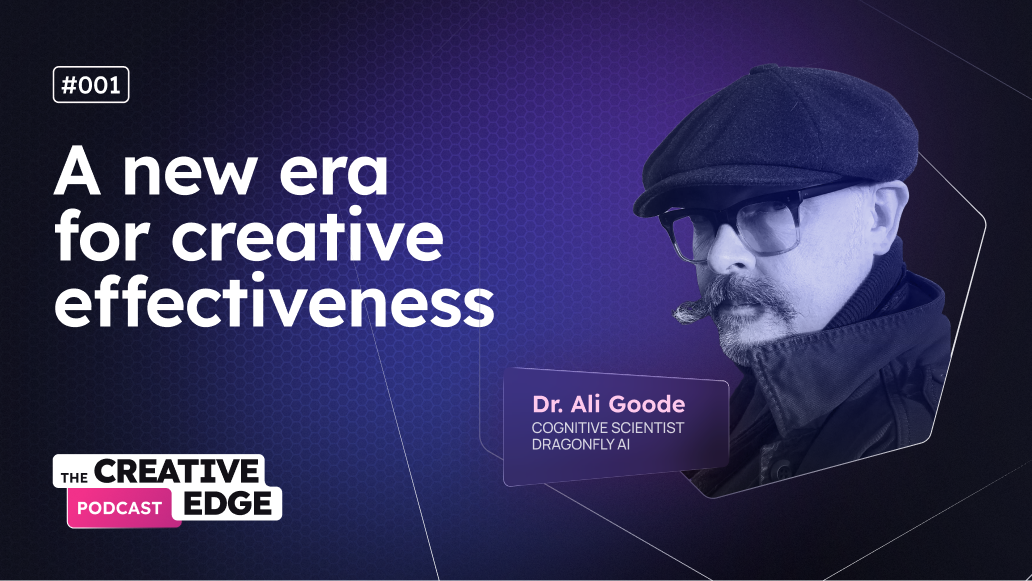
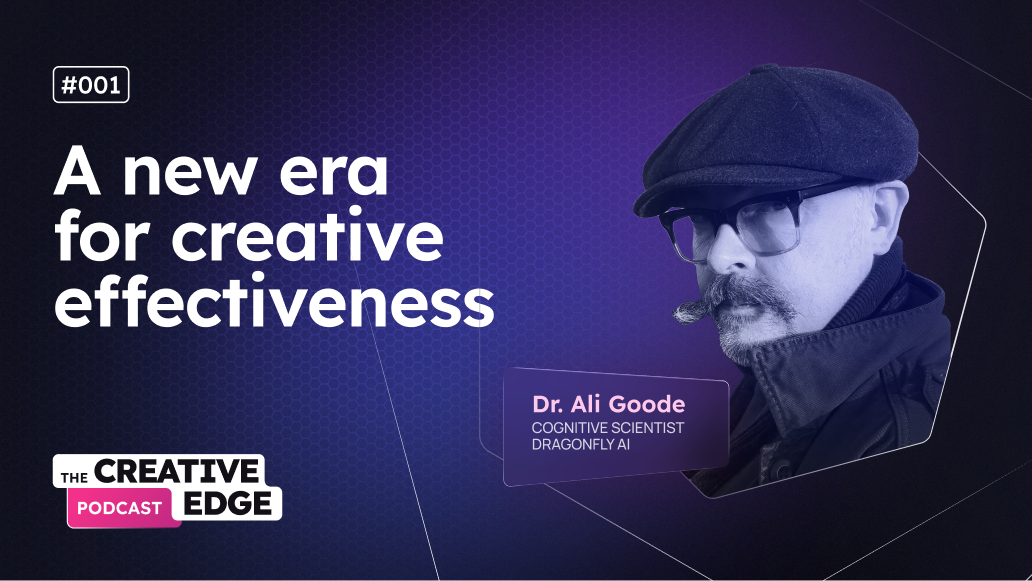
Attention is just the start. Creative only drives growth when it’s remembered. Recall is surface-level – true effectiveness lives in how brands stick in memory.
-
Emotion fuels what sticks. Emotion strengthens memory at the moment of exposure. But impact goes deeper than conscious recall – subtle processes like fluency and repeated exposure shape how brands are felt over time.
-
AI works best when it applies human science. AI can’t think like a human – but it can apply the rules of attention, memory and emotion at scale. Used early and pre-launch, it helps brands predict performance and improve creative before it goes live.
Episode 001
 24 February, 2026
 31:00
31:00

Becky Shepherd
Partnerships Director Dragonfly AI
.png?width=350&height=312&name=Group%201261153099%20(1).png)
Tom Newbury
Senior Account Executive Dragonfly AI

Dr Ali. Goode
Cognitive scientist Dragonfly AI

Episode 003


 17 April, 2026
 33.07
33.07
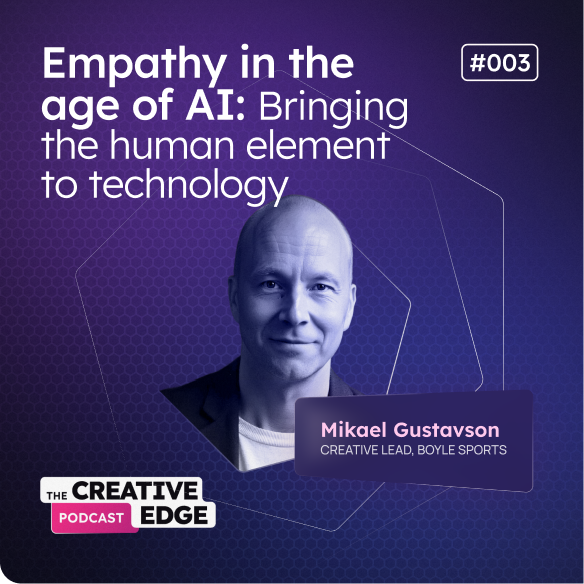
Empathy in the age of AI: Bringing the human element to technology
AI should enhance human creativity, not replace it – the most effective use of AI is as an accelerator for ideation, efficiency and execution, while human judgment, taste and creative direction remain in control. Empathy, collaboration and...
Episode 006
 13 July, 2026
39.18
13 July, 2026
39.18
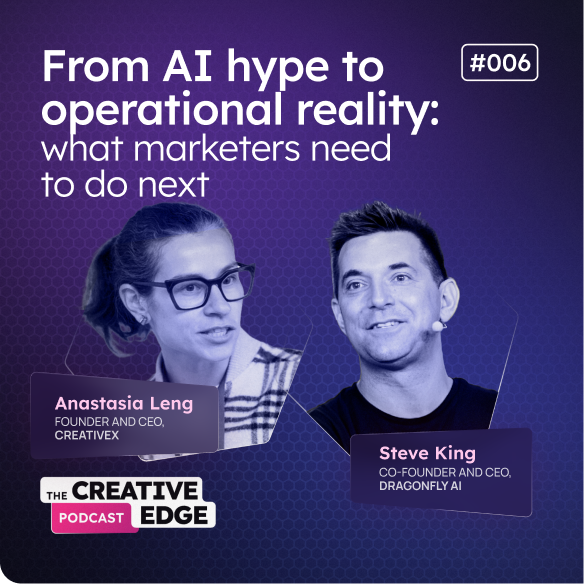
From AI hype to operational reality: What marketers need to do next
AI fatigue is really fatigue with 'AI theatre' – The buzzwordy panels and co-pilot analogies have run their course, but that doesn't mean interest in AI itself is waning. The real shift is from vague excitement to targeted, operational questions:...
Episode 004
 9 June, 2026
49.25
9 June, 2026
49.25
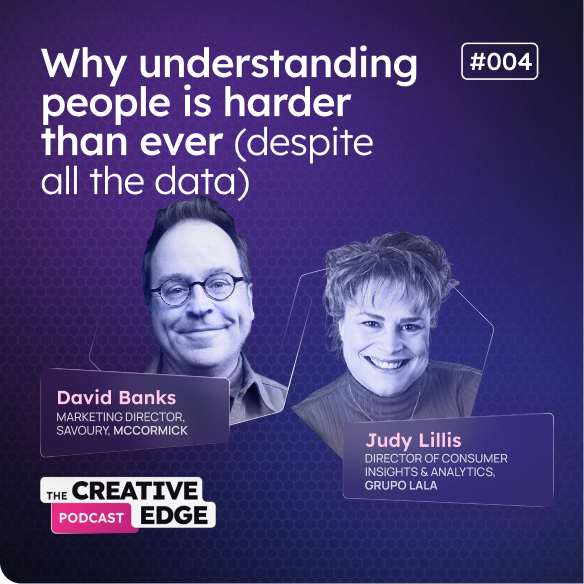
Why understanding people is harder than ever (despite all the data)
More data doesn’t mean more understanding – Brands have access to more consumer data than ever before, but data alone only tells you what happened. Real competitive advantage comes from uncovering the why behind behaviour through empathy, context...
Follow us on LinkedIn
For the latest insights on creative
effectiveness


Dragonfly AI
Creative intelligence and optimization