Episode 008

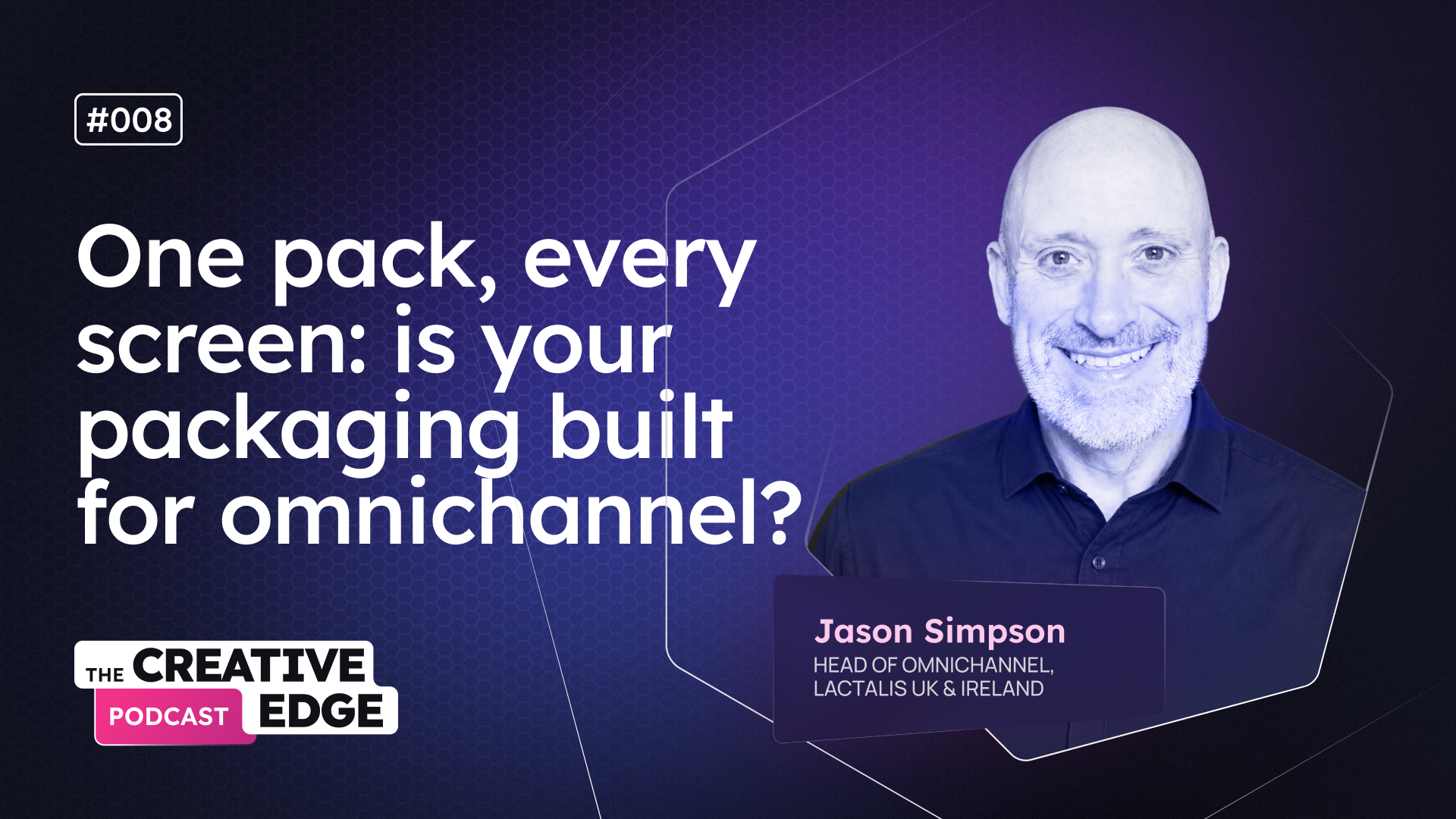
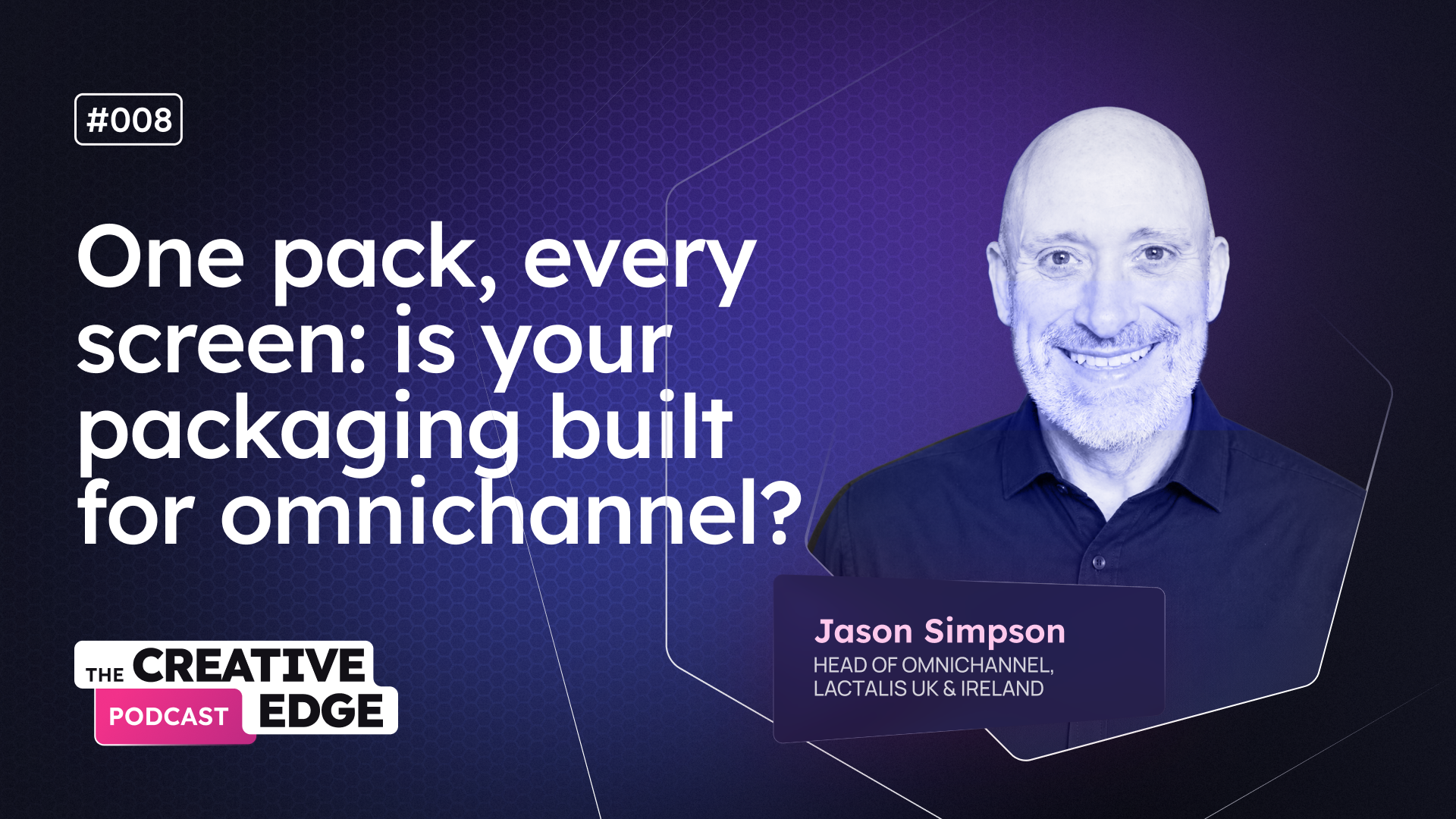
One pack, every screen: is your packaging built for omnichannel?

11 November, 2026
34.05

Group 1261153099
Becky Shepherd
Partnerships director Dragonfly AI
Jason Simpson, Head of omnichannel, Lactalis UK & Ireland
Jason Simpson
Head of omnichannel, Lactalis UK & Ireland
One pack, every screen: is your packaging built for omnichannel?
Listen on your favourite platform
One pack, every screen: is your packaging built for omnichannel?
Episode 008
Table of Content
Spend smarter with optimised marketing campaigns

Gain personalised insights to improve and fine-tune campaign assets across social content, ads, digital assets, public relations or below-the-line visuals to maximise engagement and ROI.

EXECUTIVE SUMMARY
  • Consumers shop by mission, not by category. Omnichannel has grown from people splitting their shop between a discounter and a supermarket into connected commerce across the whole journey. Now, brands must plan around the problem a shopper is trying to solve – the kids’ lunches, a Bake Off-inspired tiramisu, the parmesan they forgot for tonight’s spaghetti bolognese – and the key moments in the calendar.
  • Online, the pack has to win on a phone screen. The fundamentals of physical packaging haven’t changed, but online is where there’s room to innovate. Strip out the noise, make sure shoppers can tell at a glance what the product is, how much is in it, who it’s for and what it’s for, and judge your pack at the size shoppers actually see it. Then use secondary images to show how the product can be used.

  • Write for two audiences: humans and machines. Product descriptions now do most of their work for search and AI discovery. They need to answer the questions shoppers ask, like ‘what’s the best cheese for a barbecue?’, rather than repeat a trade press release. Grocery shoppers aren’t building baskets with AI agents yet, but this will eventually follow. 
 

Jason Simpson, head of omnichannel, Lactalis UK & Ireland
Jason Simpson
Head of omnichannel, Lactalis UK & Ireland
Transcript

Q: What does omnichannel actually mean – and what does showing up where the shopper is look like at Lactalis?

Jason: Omnichannel originally meant a shopper who’d go to a discounter and then top up at their local supermarket. Now it’s everything. For us, omnichannel is really connected commerce. It’s about how our brands show up – whether that’s in store, online, on a billboard, TV or radio. It encompasses the entire shopper journey, a bit like the traditional marketing funnel: driving awareness at the top and loyalty at the bottom.

At Lactalis, I frame it around whatever the shopper’s mission is. What problem are they trying to solve? In the world of cheese, they might be sorting the kids’ lunches that week, or working out what to put on a jacket potato. They might have just watched a fantastic episode of Bake Off where someone made a tiramisu trifle, so they go on to Deliveroo looking for mascarpone. How do we show up there?

Shoppers don’t shop in categories. Shoppers shop by mission. They’re trying to solve a specific problem, and we’ve got to make sure we’re available to solve it for them.

If you ask me that question in a year’s time, I think omnichannel will mean something slightly different. It needs to be flexible enough to adapt as shopper behaviour changes.

Q: Where does packaging fit within omnichannel, and what does online packaging need to communicate?

Jason: Packaging is your key marketing tool. It’s the one thing communicating to your customer at all times. But you’ve only got a limited amount of space, and in the physical store it has to carry certain legal requirements, like traffic lights and the product name. It isn’t as easy as putting a picture of a brownie on the front of a pack of ricotta and saying, go and make ricotta brownies. That doesn’t quite work.

Digitally, you’ve got a bit more leeway. We’re trying to remove unnecessary noise and have clean packs with really clear messages, following the four Ws so people understand what the product is, what it’s for and what size it is.

Online, the biggest thing is that it’s got to stand out on that mobile phone screen. The one piece of advice I give all our teams is: stop looking at your packaging on your lovely 55-inch monitor and going, “Oh, that looks beautiful”. Open it up on your mobile phone, put it in a two-by-one-centimetre square and ask, “Have I got stand-out there?”

With a product like ricotta, it’s impossible to drive lots of different usage occasions from the pack. So the image has to make it really clear what the brand is, what the product is and what size it is, and we’ll try to have only one message on pack. Ricotta has a Great Taste award, for example, but when we put that roundel next to the pack image, it added white space and made the pack look smaller on screen. That one’s still a work in progress.

That’s where your secondary images and carousel become important, to get across how the product can be used.

Q: How does product discovery change the role of the pack – and what role does secondary imagery play?

Jason: Everything we do now, we’re looking at two audiences: the human audience and the machine audience. I don’t believe most shoppers buying cheese are opening up the product description page and interrogating the description, the secondary images and the videos. I think your product page is all about driving machine discoverability.

Five years ago, we were probably guilty of taking a trade press release and going, “That’ll do as a description”. Galbani would talk about being the number one cheese in Italy. I don’t think customers really care. They want to know what the product does. Can I use it in a salad? Can I use it in a baking dish?

People aren’t going into ChatGPT and typing ‘cheese’. They’re asking, “What’s the best cheese for a barbecue?” Take mozzarella. It’s effectively a sponge – it soaks up flavour – so it’s a great substitute in Asian or Mexican dishes. If a shopper is thinking about what cheese would go into that, we want mozzarella to show up.

We’re nowhere near the stage yet where shoppers are building grocery baskets with AI agents. But I think it will come.

Thank you for engaging with this episode!

 You can catch the full episode on Spotify or watch it above! 

Enjoyed this episode?

Subscribe to The Creative Edge podcast and get notified about new episodes, exclusive content, and guest features.

Follow us on LinkedIn

For the latest insights on creative
effectiveness

img-1
Dragonfly AI

Creative intelligence and optimization

Book a 30-minute demo

Predict the performance of your creative content, improve conversion rates across all sales channels. Request a demo with one of our specialists.