
.svg)
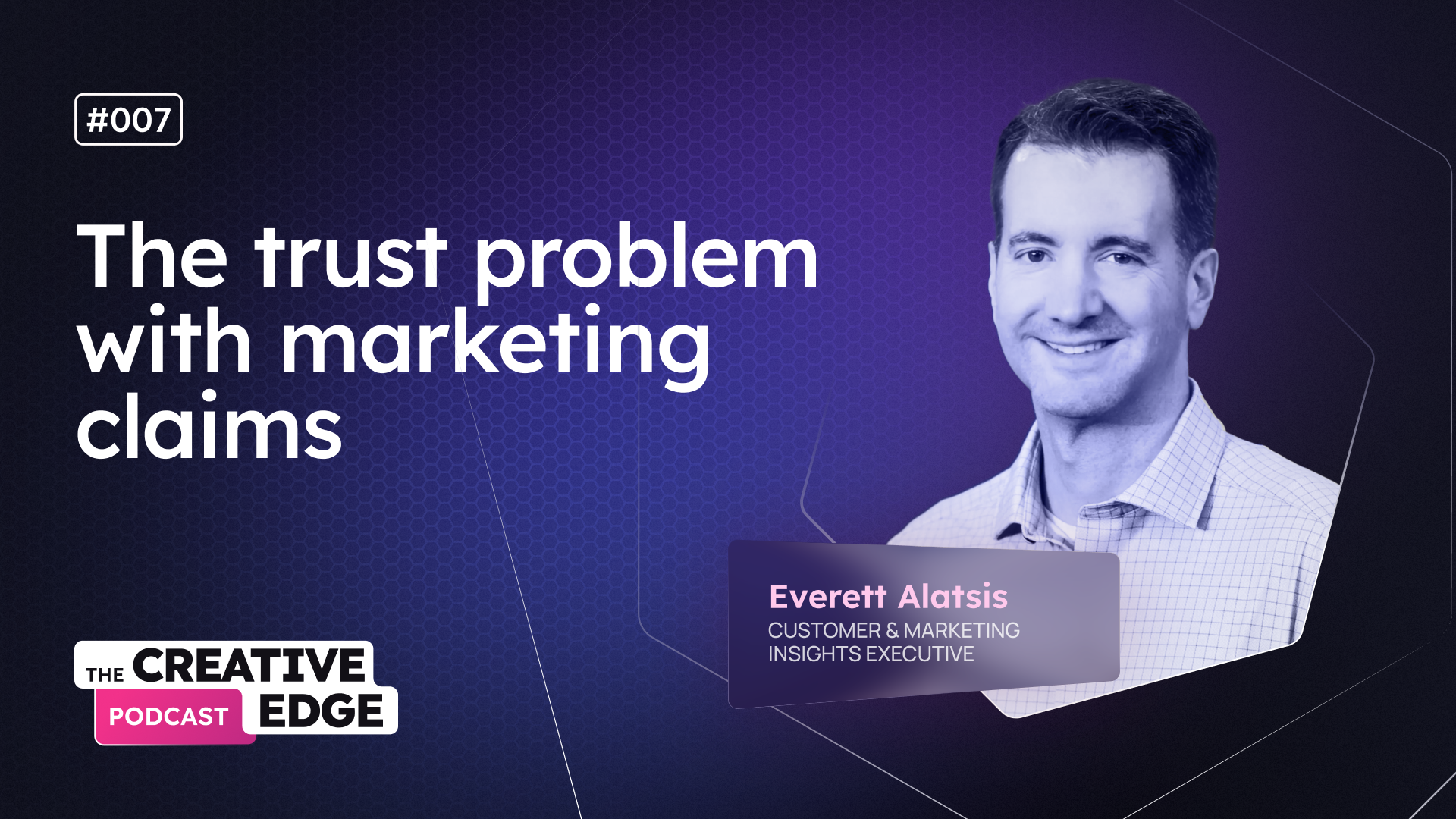
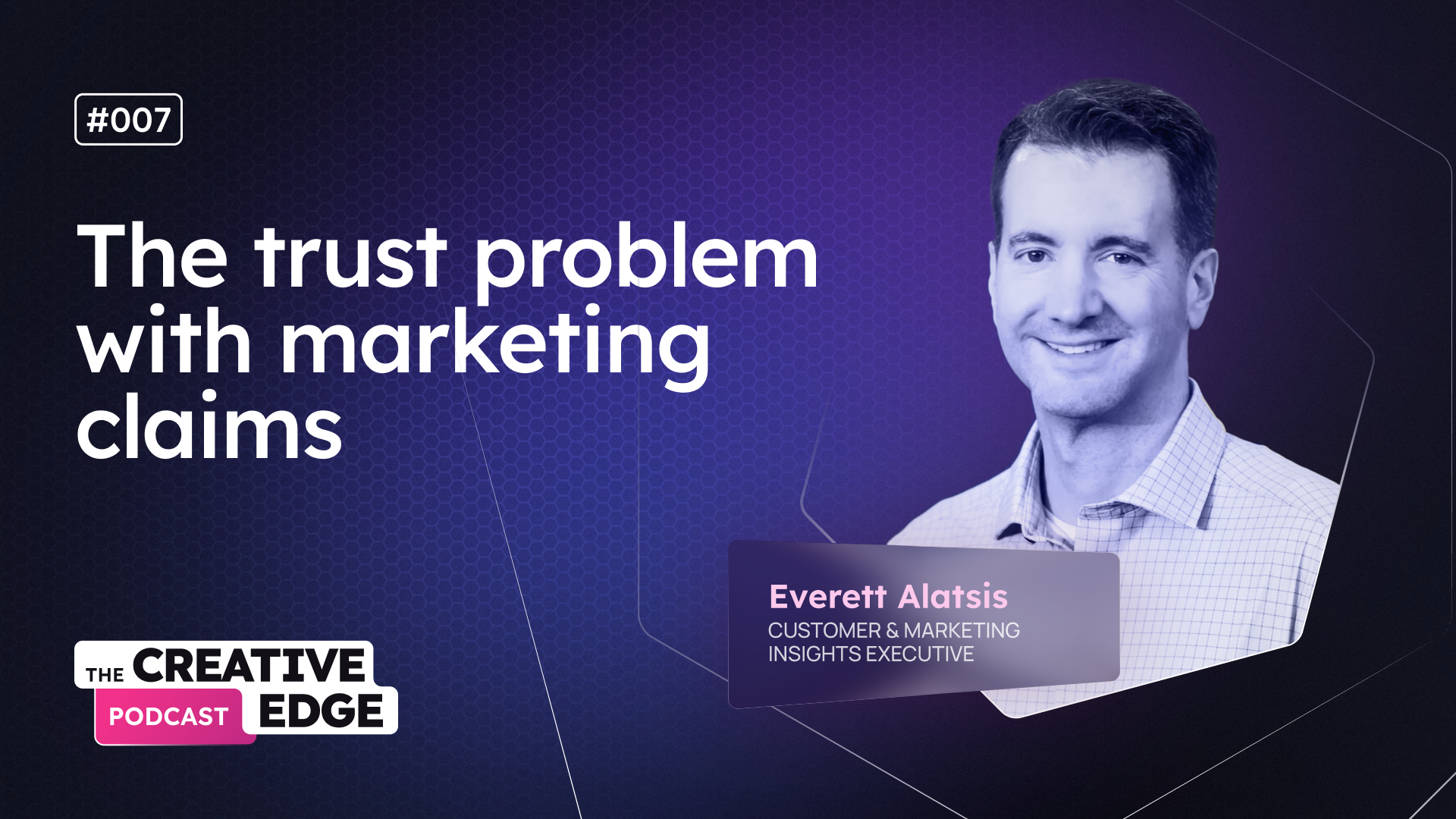

- A claim can be completely true – and still backfire. LifeLock's "one in four people experience identity theft" was accurate and research-backed. Consumers just heard it differently: "that's not me – I'll be the three out of four."
- A claim score means nothing without a benchmark. Seventy-five percent believable, compared to what? Without competitor claims or category norms to measure against, a genuinely strong score and a "best of a mediocre bunch" score look identical.
- Stacking claims doesn't add proof – it adds noise. Three strong stats in one message don't triple the impact; they just give consumers three competing reasons instead of one clear one. As Everett puts it: "one plus one plus one doesn't equal three, it just equals noise."
Episode 007
 8 September, 2026
 23.06
23.06

Becky Shepherd
Partnerships director Dragonfly AI
.png?width=350&height=312&name=Group%201261153099%20(1).png)
Tom Newbury
Senior account executive Dragonfly AI

Everrett Alatsis
Customer & marketing insights executive
Episode 002


 13 March, 2026
 22.44
22.44
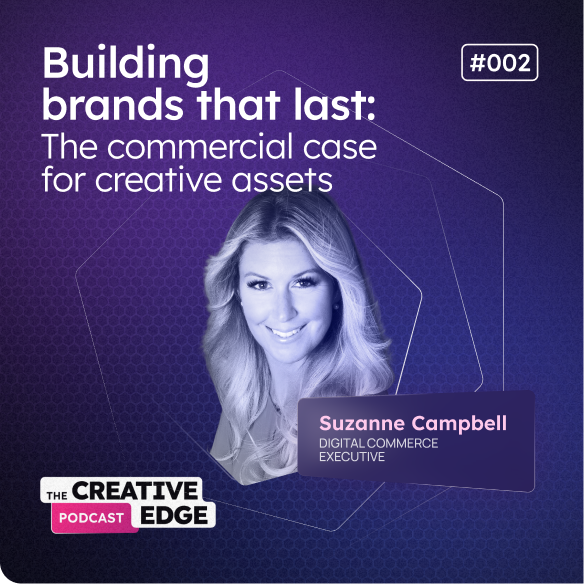
Building brands that last: The commercial case for creative assets
Creative has evolved from storytelling to conversion infrastructure – high-performing brands now treat creative assets as a commercial driver that directly influences purchase decisions on the digital shelf. Winning brands combine content,...
Episode 004
 9 June, 2026
49.25
9 June, 2026
49.25
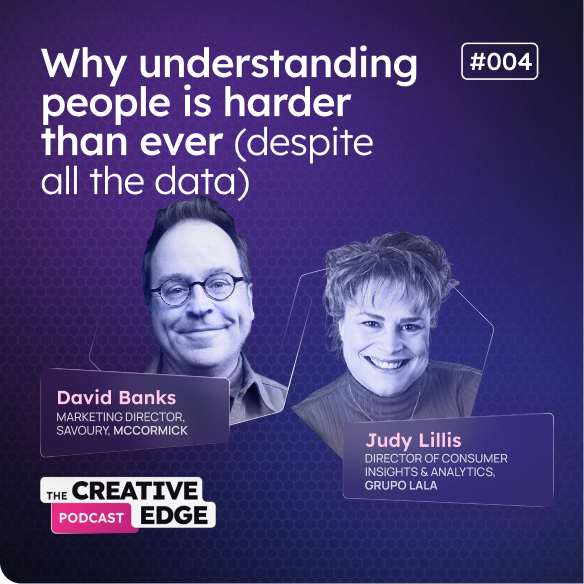
Why understanding people is harder than ever (despite all the data)
More data doesn’t mean more understanding – Brands have access to more consumer data than ever before, but data alone only tells you what happened. Real competitive advantage comes from uncovering the why behind behaviour through empathy, context...
Episode 005
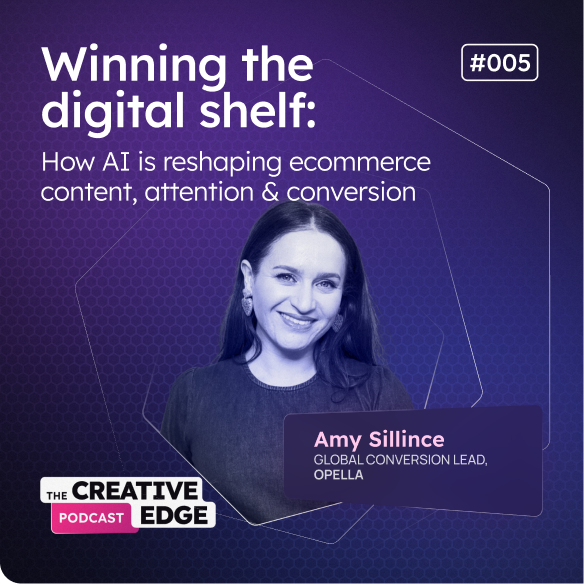 23 June, 2026
32.32
23 June, 2026
32.32
Winning the digital shelf: How AI is reshaping ecommerce content, attention & conversion
Visibility is shrinking - data completeness is your best defence – AI has reduced the digital shelf to just 3-5 products. The brands showing up are those with complete, structured product data and fully optimised PDPs across every field and asset.
Follow us on LinkedIn
For the latest insights on creative
effectiveness


Dragonfly AI
Creative intelligence and optimization