.svg)

.png?width=596&height=562&name=2x%20(1).png)
More than half of e-commerce product pages score ‘mediocre or worse’ on usability – 52% on desktop, rising to 62% on mobile and 64% in-app – according to Baymard Institute's ongoing benchmark of over 30,000 product pages. That's not a fringe problem. That's the majority of the shelf.
I spend a lot of my time talking to marketing and e-commerce leaders inside global CPG businesses, and I hear a version of this same problem constantly. It usually starts with the hero image.
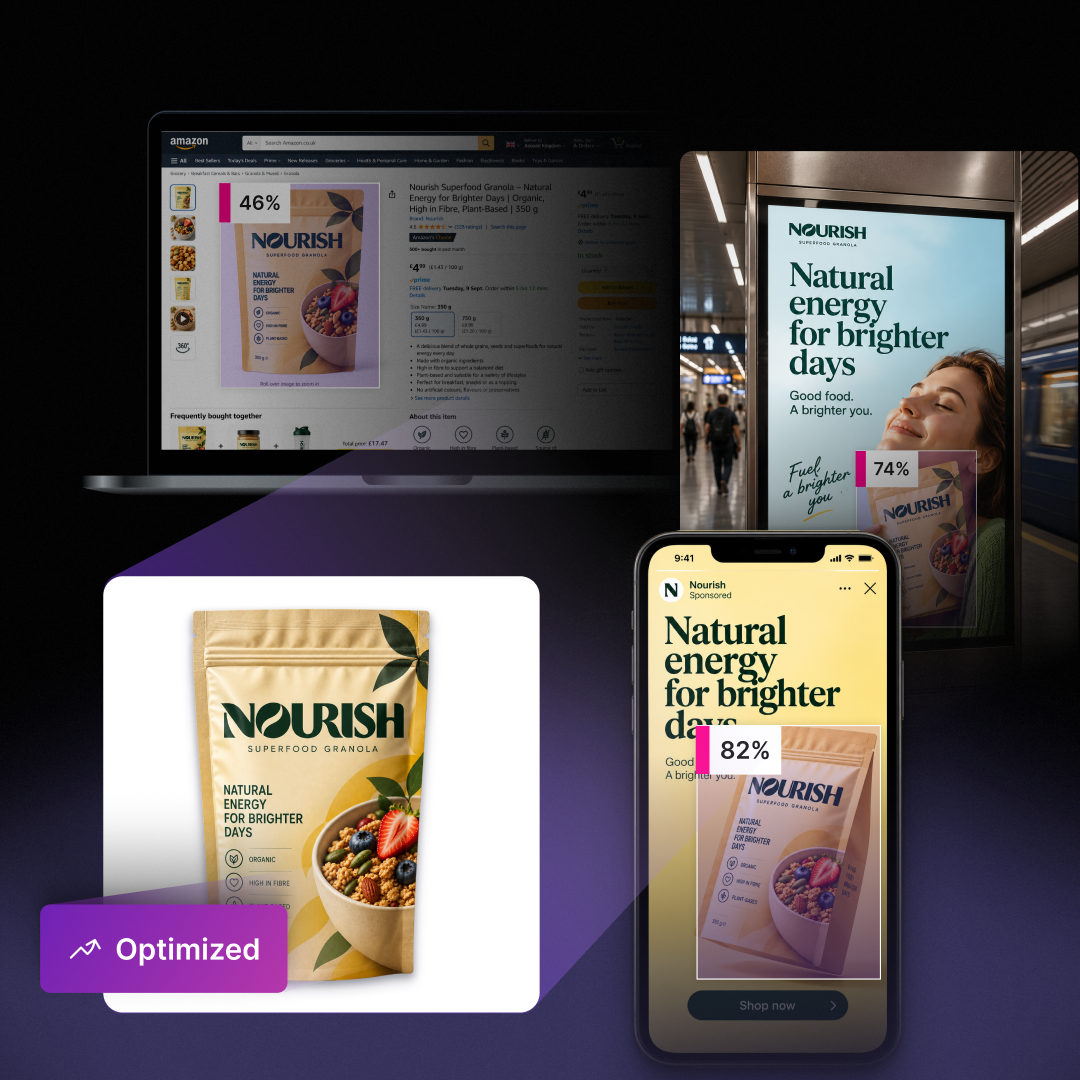
The hero image is supposed to do the hardest job on the page: stop a scrolling, comparison-shopping consumer for long enough to actually look. But most brands are still choosing it on instinct. As our own cognitive scientist, Dr Alastair Goode, put it in a recent Grocer feature on digital shelf content: “The critical mistake is designing for the physical shelf, then shrinking it to a thumbnail”.
Hero images that work beautifully in store become illegible at mobile size – brand, variant and pack size disappearing into visual clutter. Most brands never find out they have that problem until it's already cost them the sale. Salsify's 2025 consumer research found that 71% of shoppers have returned an item because the product didn't match what they saw online, and 54% have abandoned a sale outright because the product content wasn't consistent from one retailer to the next. A hero image isn't just a picture. It's a promise the rest of the page has to keep.
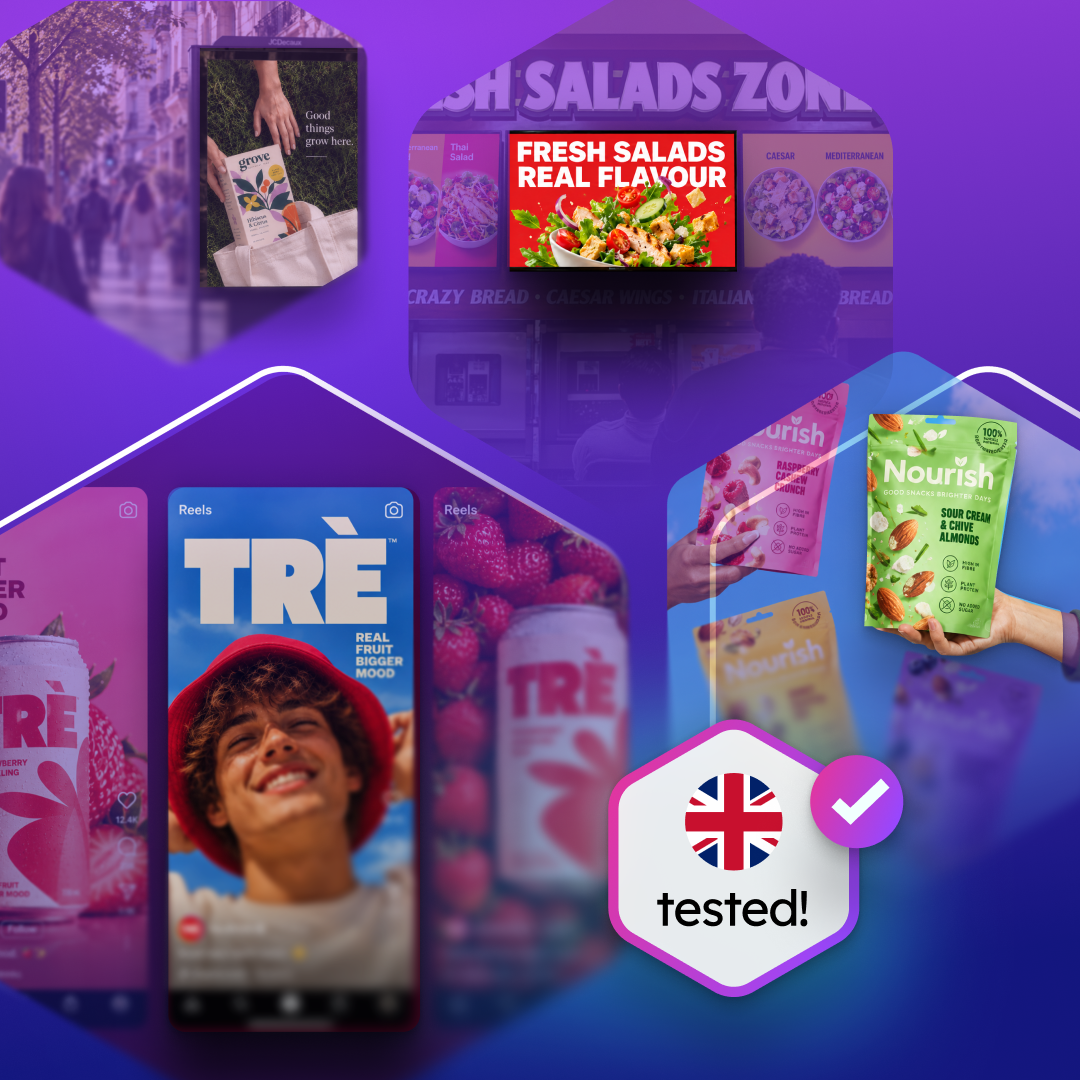
That promise gets harder to keep by the day. Industry estimates put the number of retail media networks globally at more than 250. ANA research finds that more than half of brands already work across five or more of them at once. Each one comes with its own layout, its own competitors, its own visual noise. A hero image that commands the page on one retailer's site can disappear entirely on another's. And brands are being asked to produce for all of this simultaneously, at a volume nobody was planning for two years ago – Unilever's Beauty AI Studio, for example, is now producing around 400 assets per product, up from roughly 20 per campaign.
More creative should mean more chances to get it right. In practice, it's mostly meant more creative going live without anyone knowing, in advance, whether it will be noticed at all.
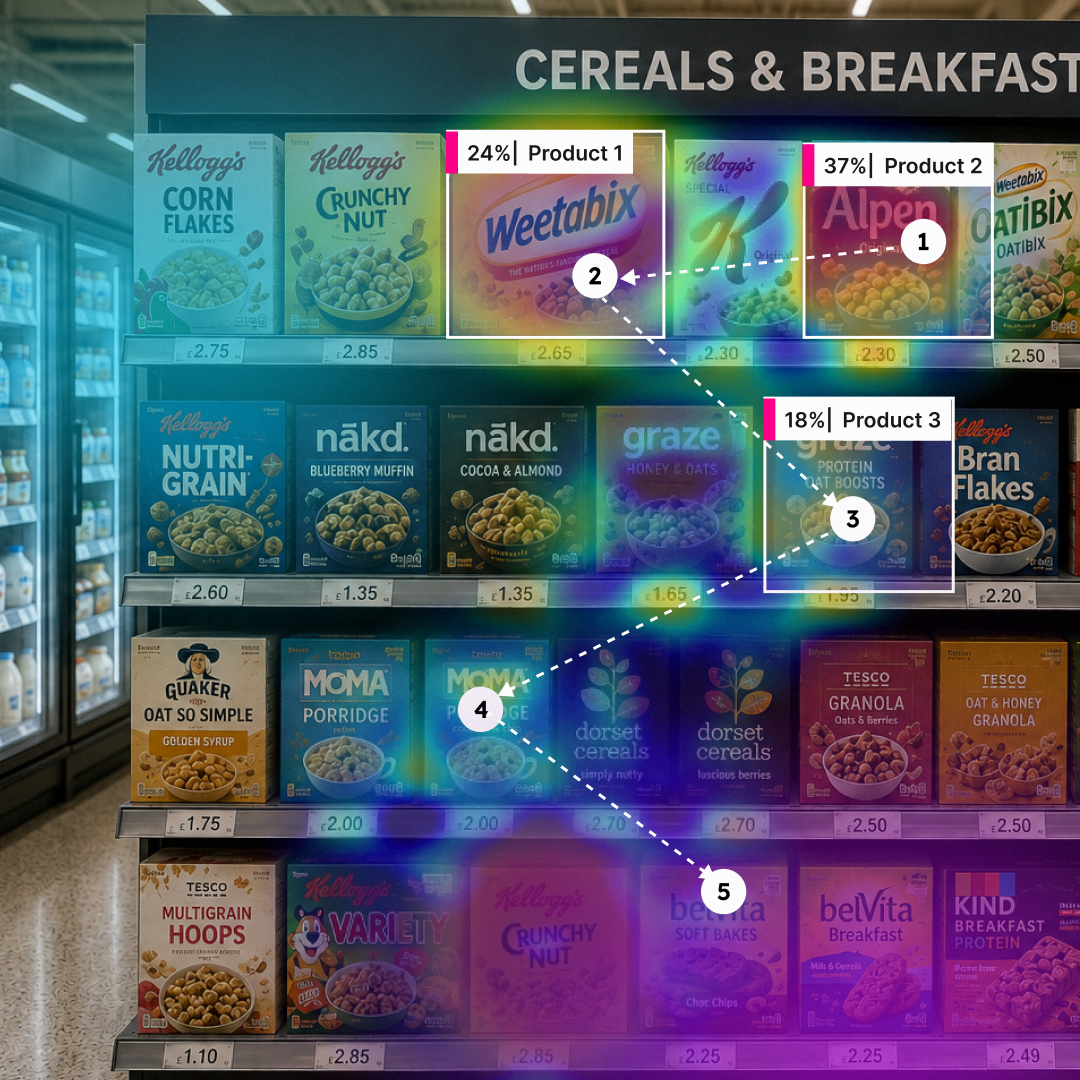
That's the part I think the industry still under-rates: attention isn't a judgement call, and it isn't something you find out about after the fact. It's a pre-cognitive filter – determined in milliseconds, before a shopper consciously registers anything about your pack shot or your product page. The brain prioritises visual information on a handful of cues – colour, orientation, texture, scale – and it does this automatically, the same way for every person looking at the shelf or the screen. Whether your hero image survives that first filter isn't a matter of taste. It's closer to physics than opinion.
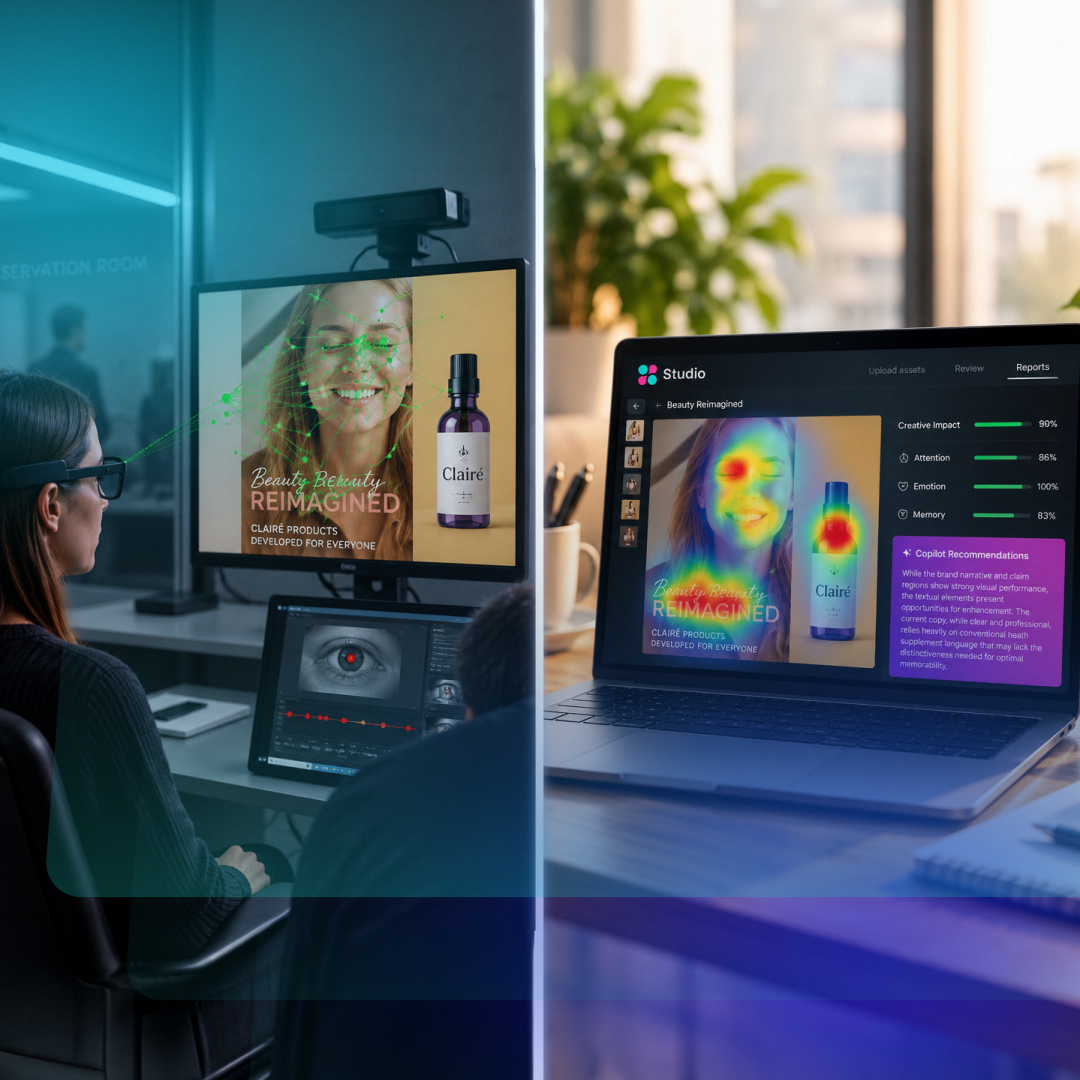
The trouble is, the tools most CPG teams still rely on to answer this question weren't built for how e-commerce creative actually gets made and shipped today. Agency judgement and internal review are fast, but subjective, and there's no shared measurement language between the brand team, the agency and the retailer displaying the page.
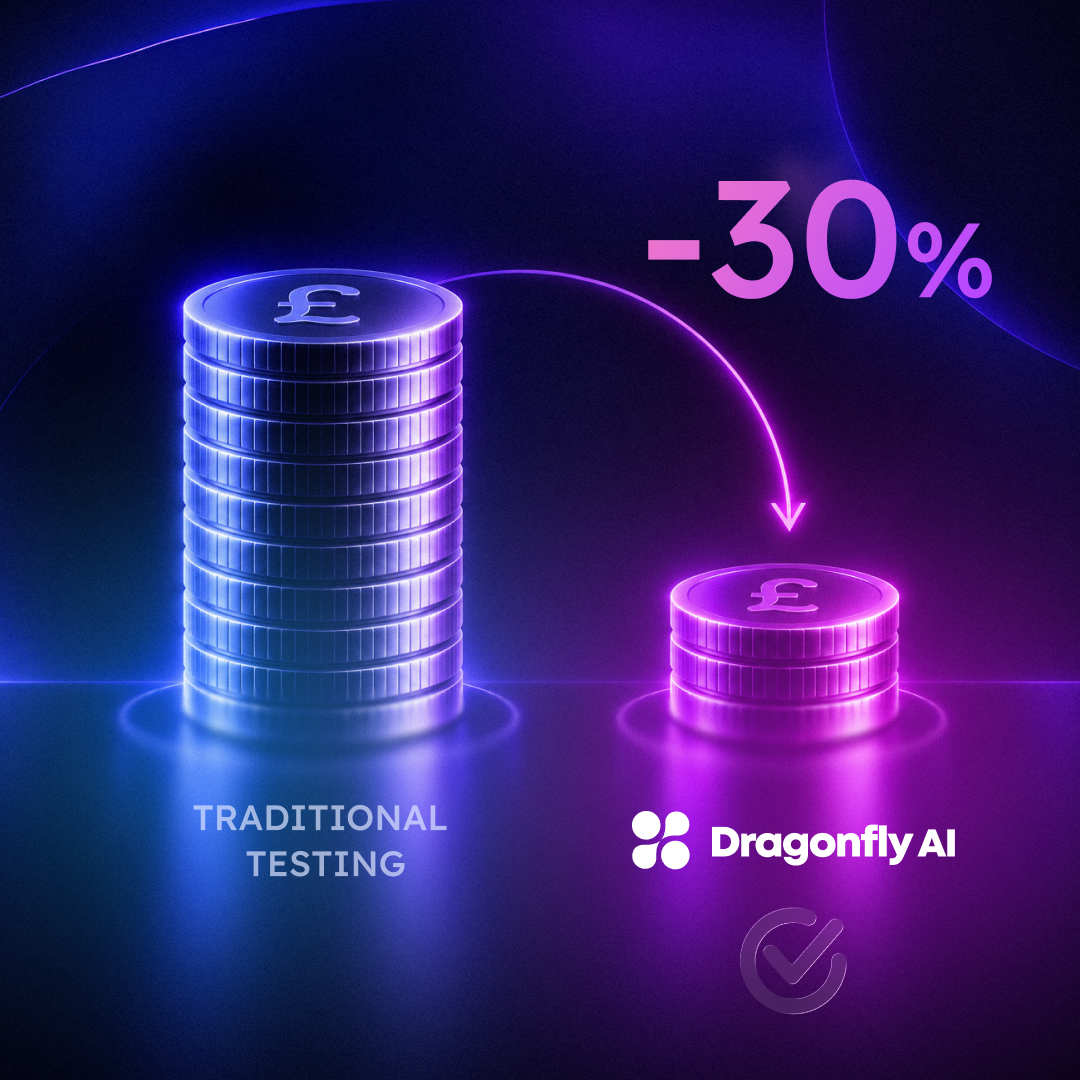
Post-campaign analytics tell you what happened, weeks after the media spend is already committed – a hard way to learn your hero image lost to a competitor's before a single shopper made it past the thumbnail. And panel-based testing, the kind of research that actually answers the visibility question properly, is accurate but slow and expensive enough that only the highest-value assets, a flagship listing or a hero campaign, ever get tested at all. Everything else – the thousands of listings, variants and retail media assets that make up the real volume of a CPG portfolio – goes live untested.
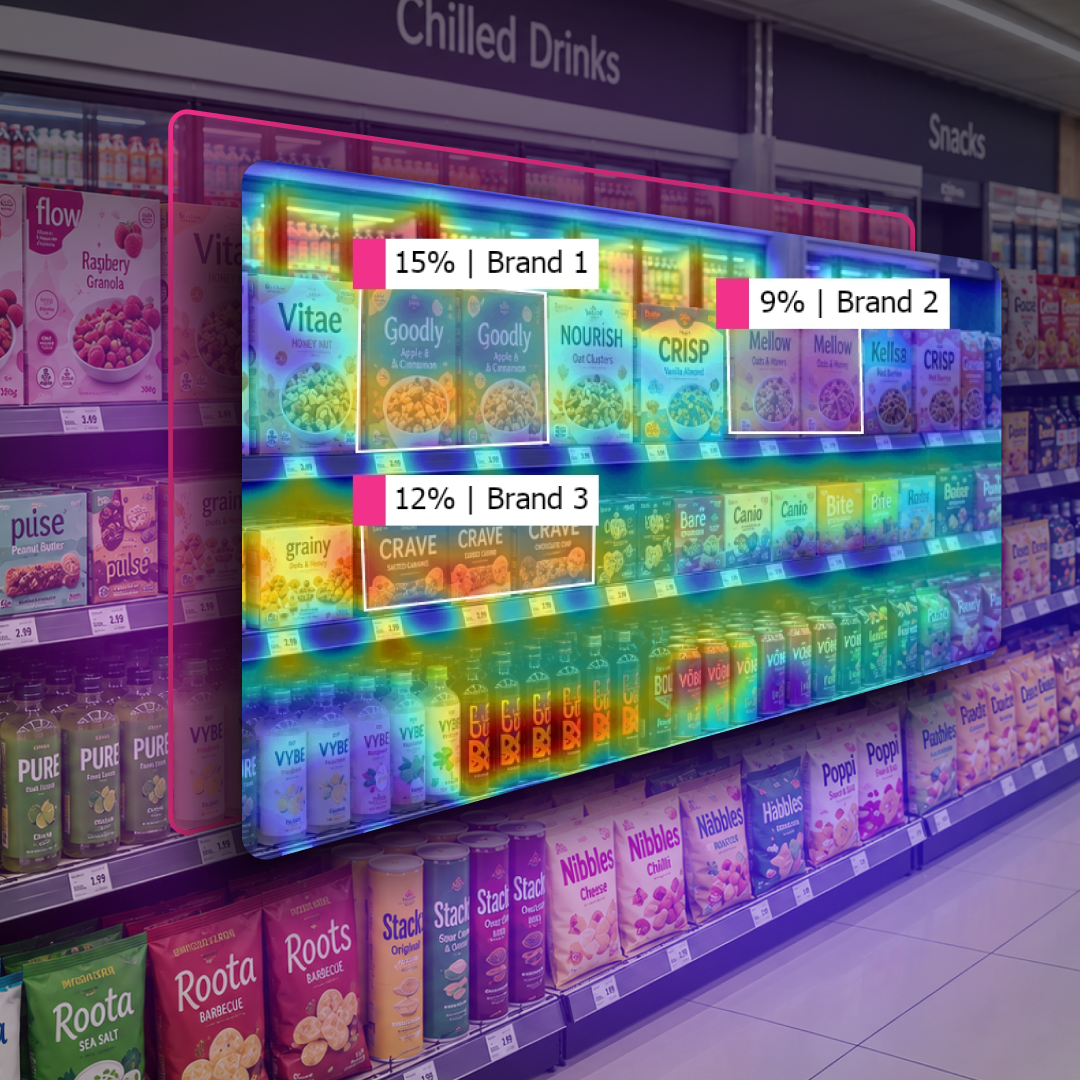
That gap, between what gets tested and what gets shipped, is where I think the real opportunity sits. Not in producing more creative, and not in waiting to find out how it performed. In being able to answer, before a single product listing goes live: will a shopper's eye actually land on the hero image. Which element of the page they'll see first, which they'll miss entirely, and why. That's a fundamentally different question to the ones most measurement tools are built to answer, and it needs answering at the speed and volume e-commerce now demands, not at the pace of a quarterly research study.
We've seen what happens when brands get that answer. When we audited multipack hero images for Reckitt, they were capturing just 5.7% share of attention against competitors online – a gap nobody would have found through agency review or a quarterly study. Optimising the images against that finding drove a 20-30% conversion uplift.
I don't think this replaces the judgement of good creative and e-commerce teams. If anything, it's the opposite. Give a team a reliable, upfront answer to what a shopper will actually notice, and you free them up to spend their time on the harder, more valuable questions – what the imagery says about the brand, whether the message lands, whether it's the right product story to tell. Right now, too much of that time gets spent guessing at something that doesn't need to be guessed at anymore.
Brands don't need more hero images. They need to stop finding out whether theirs worked after the shelf has already decided.