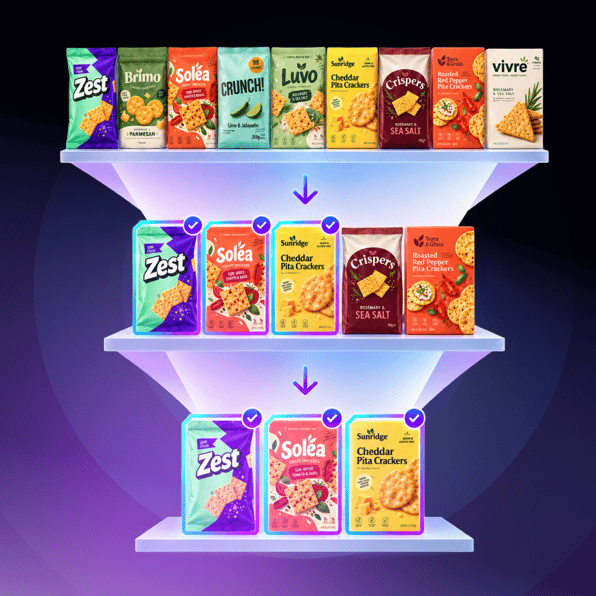

Last month, I looked at what a modest shift in testing volume is worth. The question I've been asked since is the practical one: how do you actually get there, and what does good packaging look like when you do?
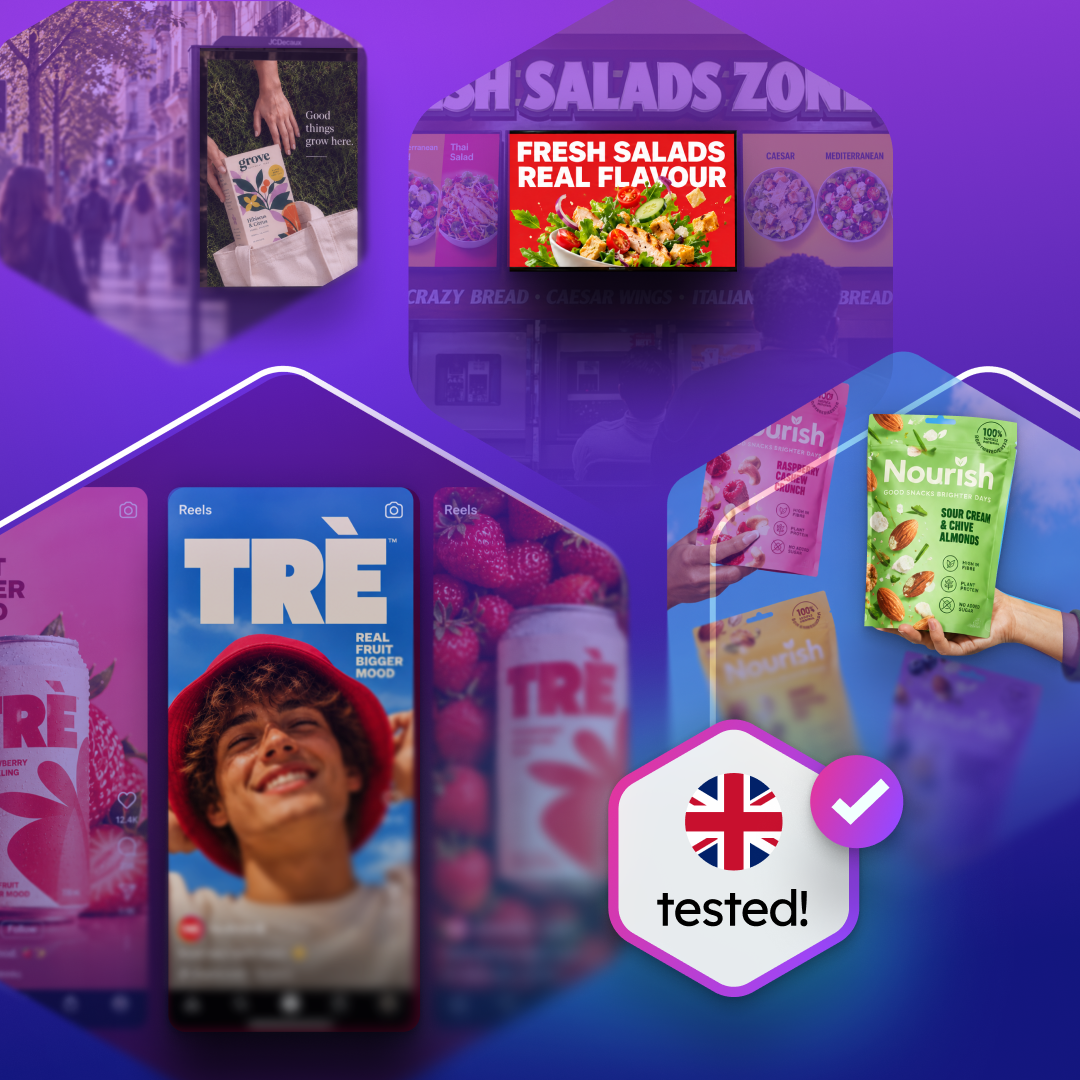
It starts with understanding how the industry is changing. A single pack now spawns dozens of variants – flavours, sizes, retailer formats, seasonal editions – and each is expected to work on a shelf, on a phone, and at thumbnail size. Panel testing was built for a handful of hero assets, and it's priced accordingly: from around £750 per image at the low end to £3,350 for a survey pre-test. Budgets stretch to the tentpoles. Everything else goes live on judgement. The shift under way is from testing a few things thoroughly to screening everything early, and spending panel budget only where it matters most.
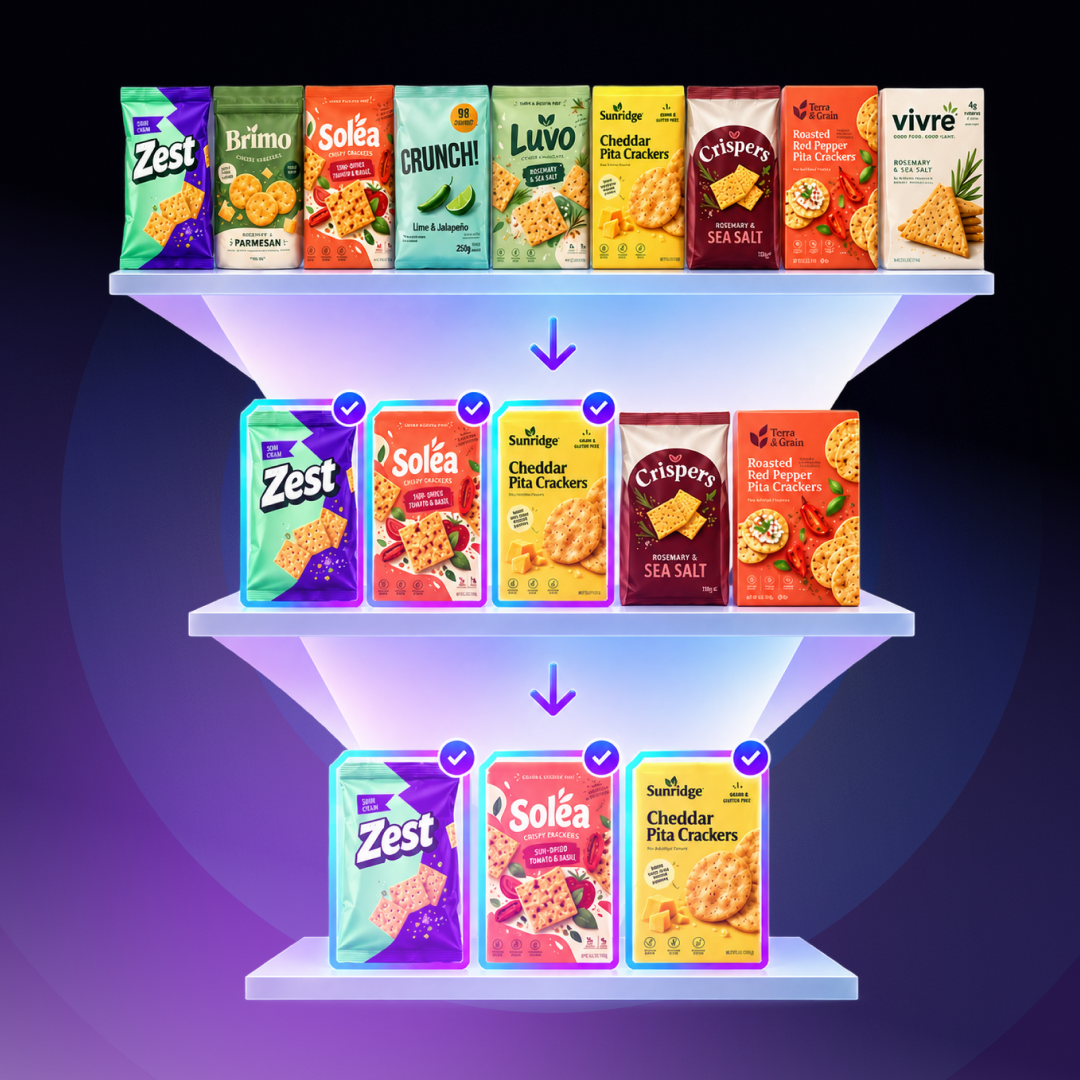
Here is how I'd get there, in four steps:
First, get the foundation right. The pack is usually the first piece of creative made for a product, and its decisions flow into every hero image, product page and ad that follows. Mistakes here are the most expensive to inherit, so it's where evidence earns its keep first.
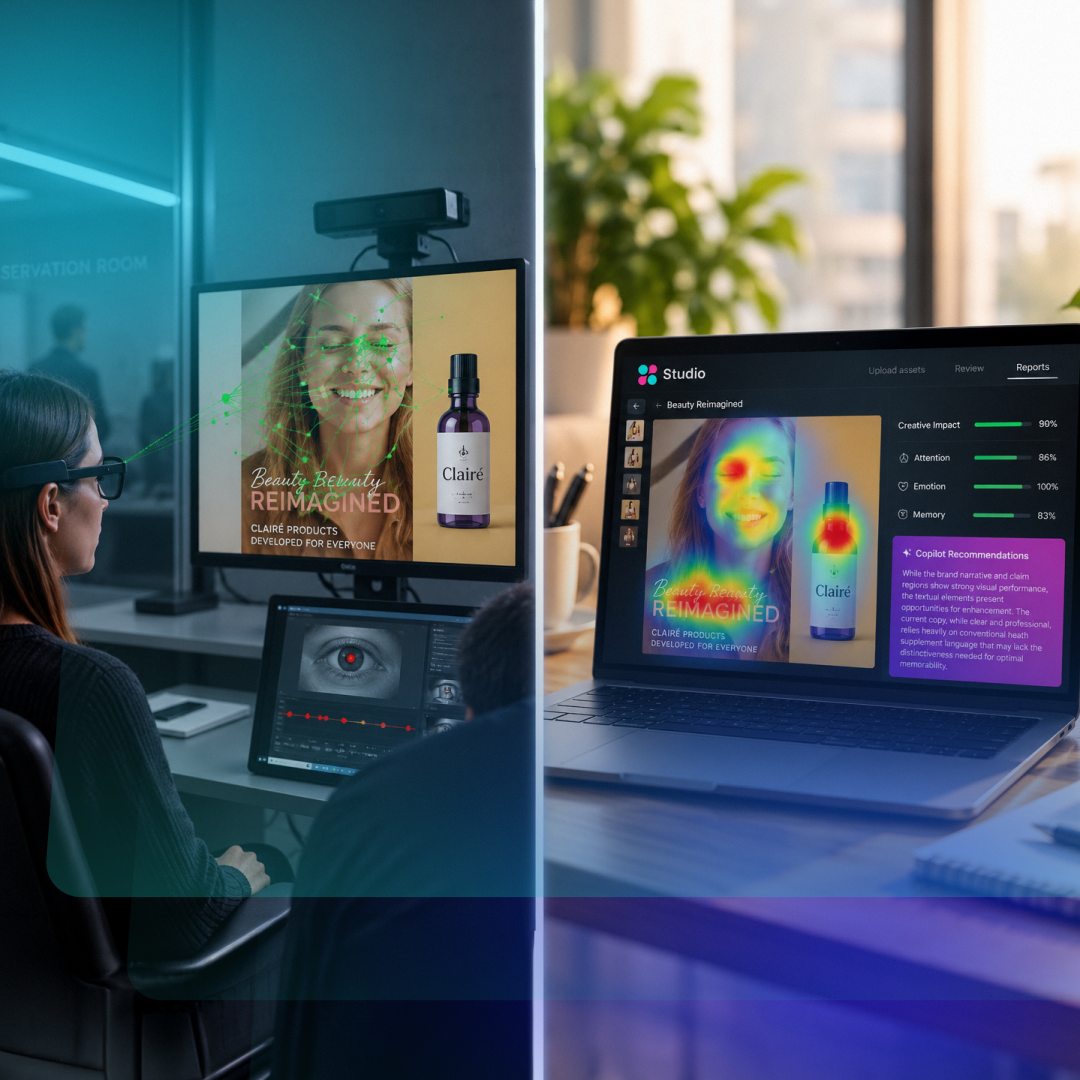
Second, screen every variant, not just the finalists. When screening costs a flat annual fee rather than a price per image, there's no reason to leave the long tail unchecked. Dragonfly AI decodes Attention, Memory and Emotion on each design, so weak options are caught while they're still cheap to fix.
Third, send only the strongest to panel. Panel research is irreplaceable for the questions only real consumers can answer: nuance, appeal, intent. Used on a shortlist rather than on everything, every pound of that budget works harder.
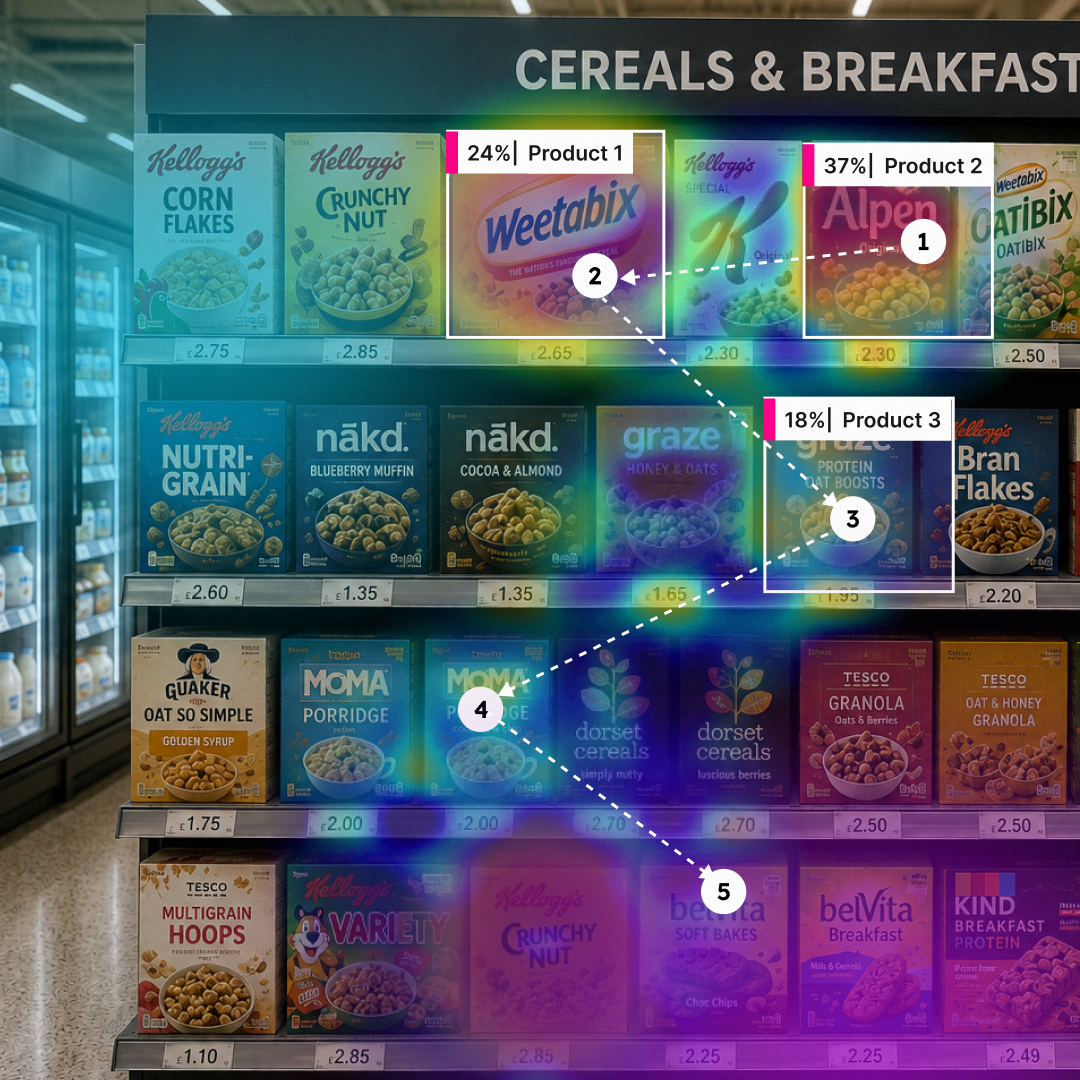
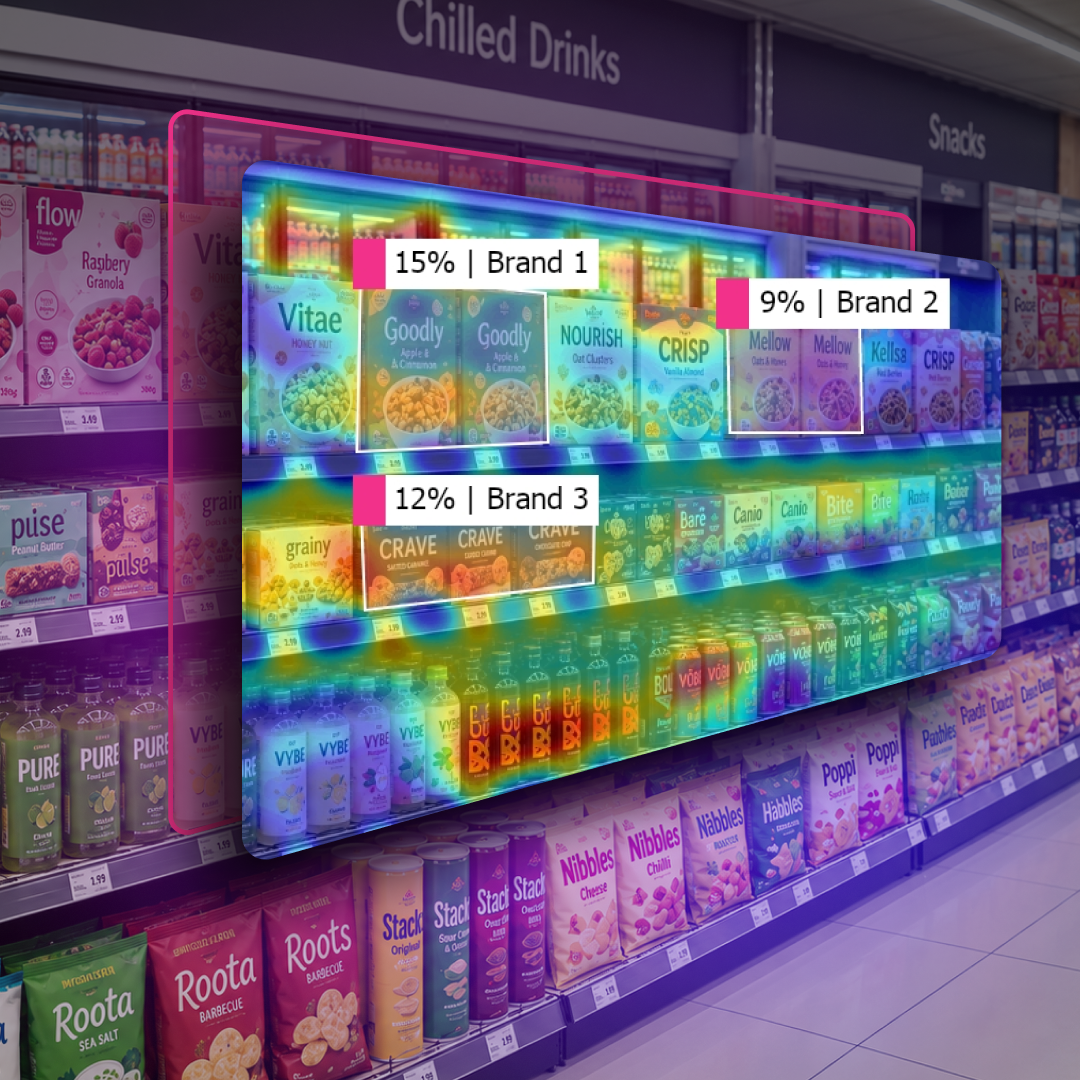
Fourth, check the pack in context. Attention is relative, and a design that performs well alone can behave very differently beside its competitors. Assess it against the shelf it will actually sit on before it goes to print.
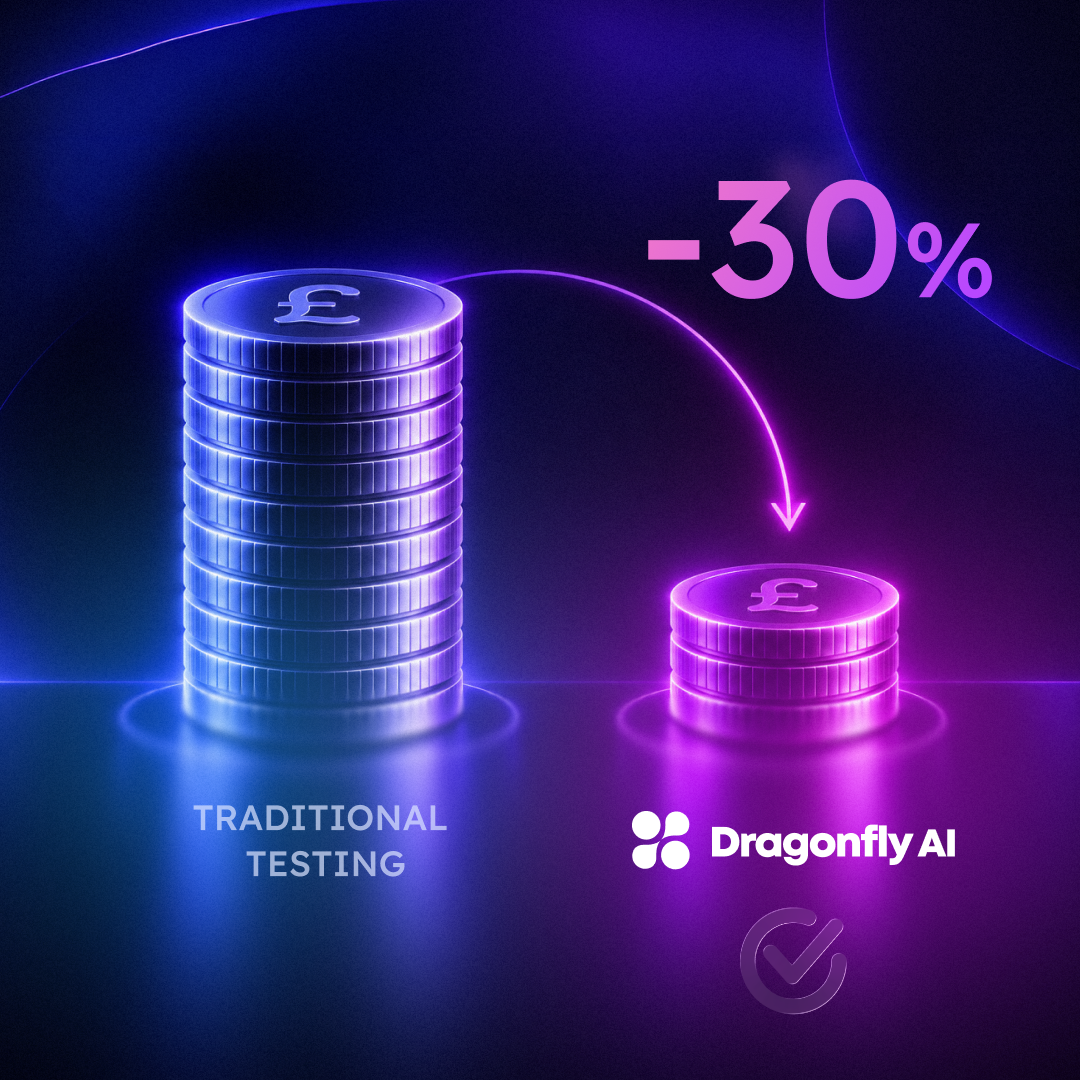
None of this means replacing the testing a team already trusts, and the analysis behind these figures was built on exactly that premise. Kate Nunan, principal customer success manager at Dragonfly AI, who built the model, explains the logic: "We've always gone to market around efficiency and effectiveness, and this is the efficiency story: use what you already have, better. Dragonfly AI is a really useful tool in your testing ecosystem. If a team takes ten assets to panel research and takes nine instead, that's a 10% reduction in volume, and its already meaningful money over a year. Take it to six and that's a 40% shift. The savings build as the volume moves, and the assumptions are deliberately conservative: low-end testing rates, and no full-service studies in the calculation. It isn't about replacing panel testing. It's about reduced reliance on it, so the budget goes where you genuinely need real consumers."
The numbers show why that shift matters. Run 12 fewer images through panel testing in a year and you avoid between £9,000 and £40,200 in research cost. Move 100 images and it's between £75,000 and £335,000. For a mid-size CPG business moving 150 images a year, it's between £112,500 and £502,500. Fewer than 50 images moved can cover the cost of a typical mid-size licence, even at the conservative rate, and every image after that is a net saving.
These are modelled estimates, before any license fee, and they deliberately leave full-service studies, which cost considerably more per project. Real savings depend on which studies move and how complex they are. But the direction is clear.
The brands that get packaging right in the next few years won't be the ones that test the most. They'll be the ones that test the most intelligently: screening everything, sending the best to consumers, and learning before the shelf does it for them.