.svg)
.png?width=596&height=562&name=2x%20(1).png)
Introduction: Retail Marketing Is Being Rewritten
Retail marketing is evolving faster than ever. The line between physical and digital shopping grows blurrier by the day, and customer expectations have never been higher. Shoppers move fluidly from browsing a store aisle to scrolling on their phone, expecting a seamless, intuitive experience at every step.
To thrive, retailers are blending classic principles - layout, merchandising, product presentation - with modern capabilities like AI, analytics, and automation. This guide brings those elements together into a simple behavioural model: The Retail Impact Loop.
It also links to deeper-dive articles across the Dragonfly AI blog, so you can explore each subtopic in more detail.
The Retail Impact Loop
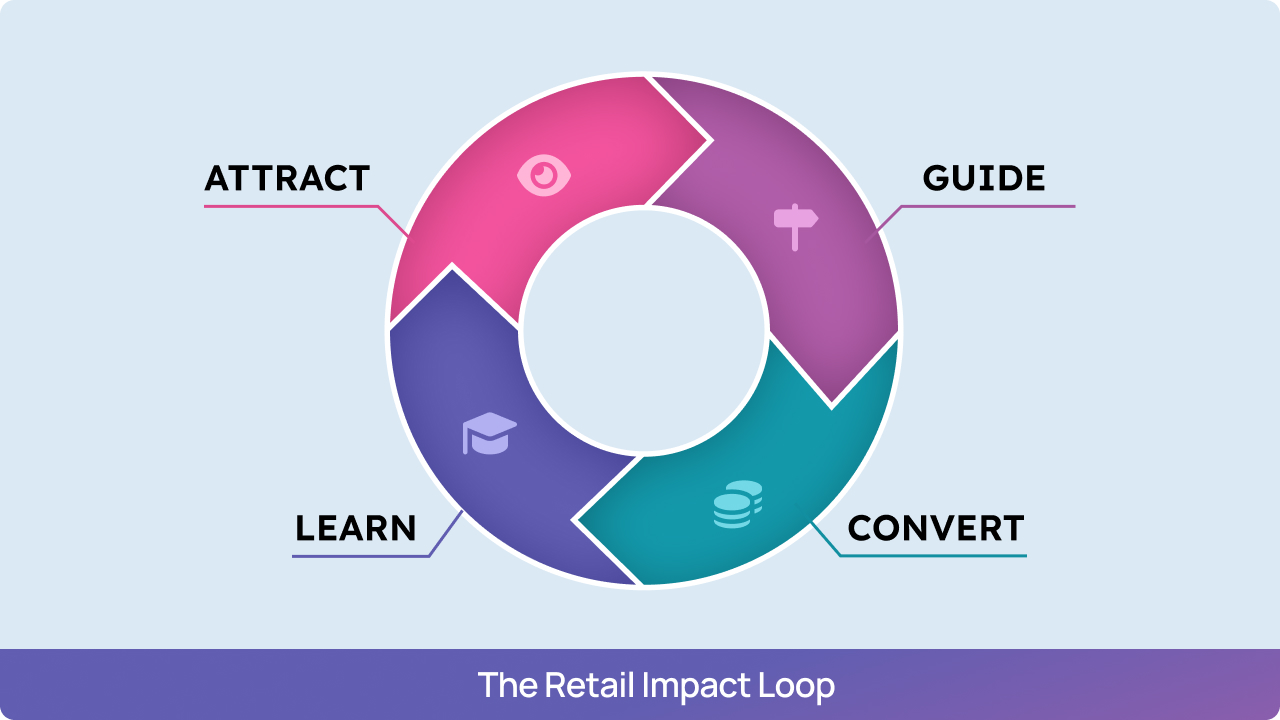
A behavioural model that explains how shoppers move from noticing → navigating → deciding → reinforcing.
1. Attract
Win attention instinctively - before the shopper consciously thinks.
This includes:
- Retail media
- Storefront and entrance design
- Sensory cues (light, sound, colour, scent)
- Hero displays and window moments
- Value signalling and simple messaging
The goal is to make shoppers feel: “This is relevant to me.”
Relevant articles:
- The Future of Retail Media: Trends and Predictions for CPG Companies
- Optimizing the Digital Retail Experience
2. Guide
Help shoppers navigate confidently so discovery feels natural.
This includes:
- Store layout
- Merchandising principles
- Product grouping
- Planograms
- POS displays
- Wayfinding and movement cues
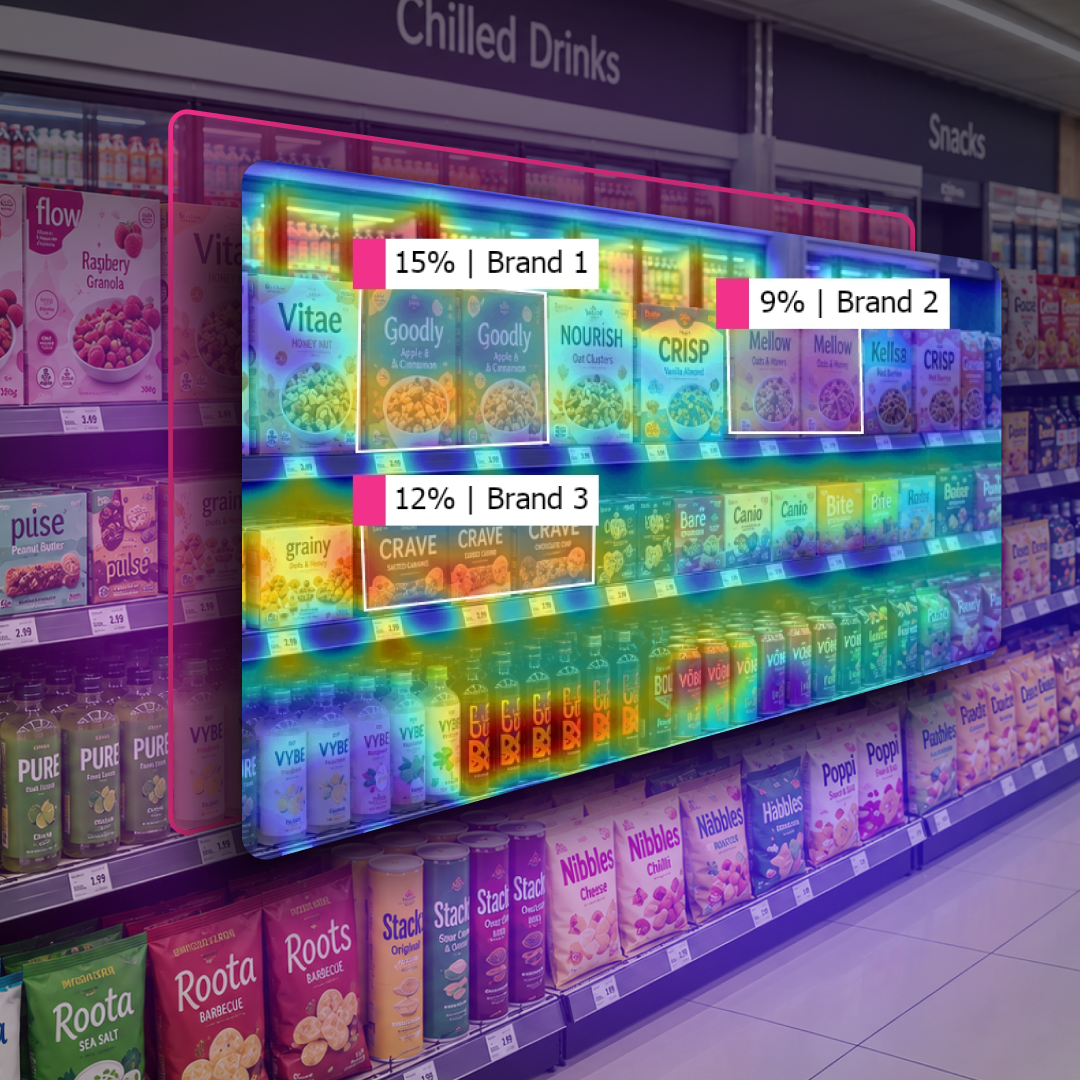
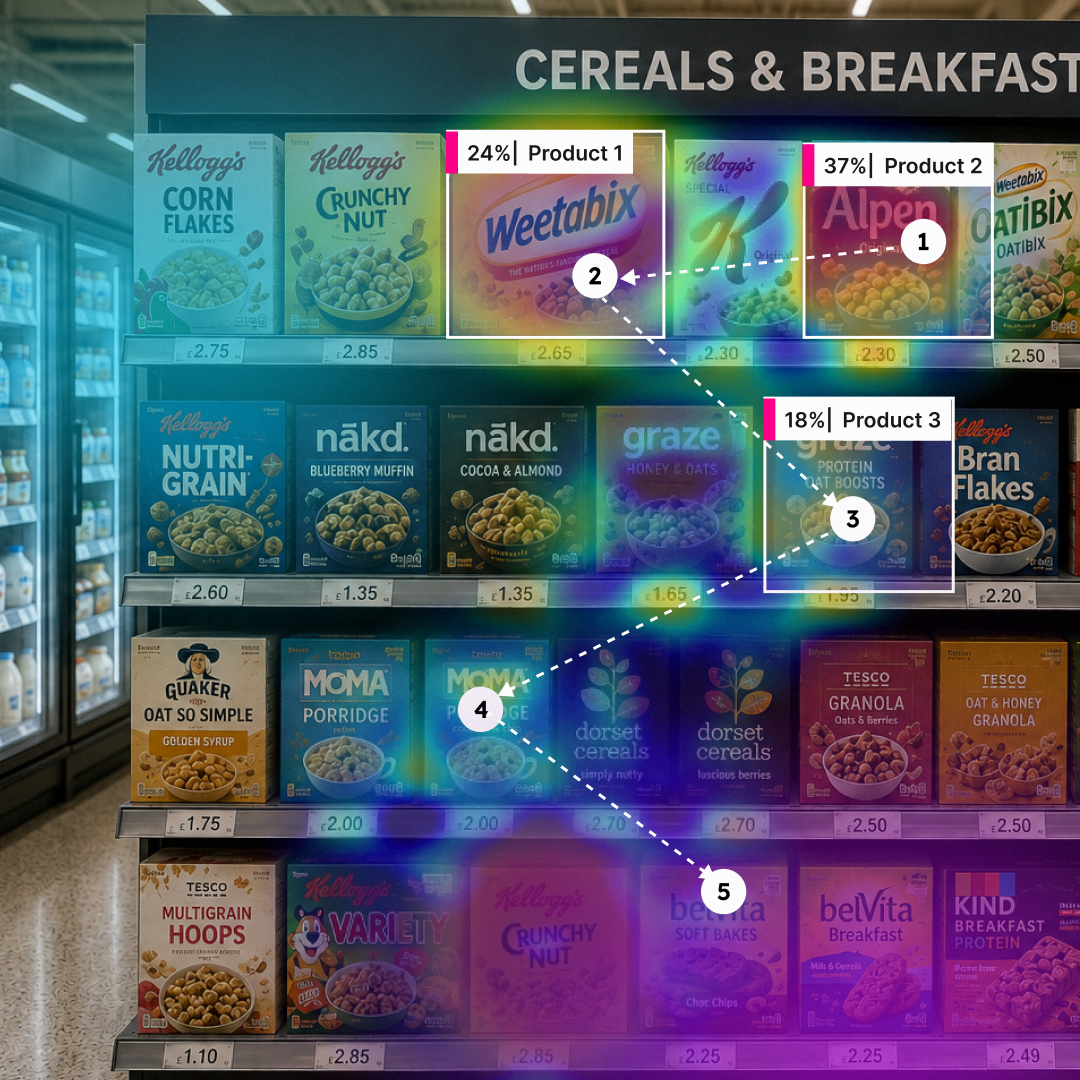
A well-planned layout and clear merchandising reduce friction and shape perception. AI now supports this with footfall heatmaps, dead-zone detection, and predictive visual analysis.
Relevant articles:
3. Convert
Make the decision feel easy, clear, and emotionally right.
This includes:
- Pricing and value communication
- Shelf-level hierarchy
- Product storytelling
- Emotional cues
- Impulse opportunities
POS displays and endcaps are particularly powerful - when well-designed, they can significantly increase sales by surfacing the right product at the right moment.
Relevant articles:
- The Importance of Planograms in Retail
- The Art of Point-of-Sale Displays: Captivating Shopper Attention in Retail
4. Learn
Use data and AI to make better decisions, faster.
This includes:
- Retail analytics
- Shopper behaviour insight
- AI modelling
- Forecasting and stock optimisation
- Creative testing
Retail analytics identifies what’s working and what isn't - while AI accelerates forecasting, personalisation, and optimisation.
Relevant articles:
- The Ultimate Guide to Retail Store Analytics
- Supercharging Growth Through Retail Analytics
- How AI-Driven Insights Improve Creative Performance
Key Disciplines Within Modern Retail Marketing
Store Layout & Merchandising
Imagine walking into a store that immediately feels effortless to navigate. Products are easy to find, displays feel intentional, and the environment encourages exploration.
Great layout and merchandising shape the customer journey, influencing:
- What shoppers notice first
- How long they stay
- Which products feel premium
- How people move through the space
AI enhances this work by analysing traffic patterns, highlighting “hot zones,” and revealing opportunities to place high-value items more effectively.
Read more:
Planograms & POS Displays
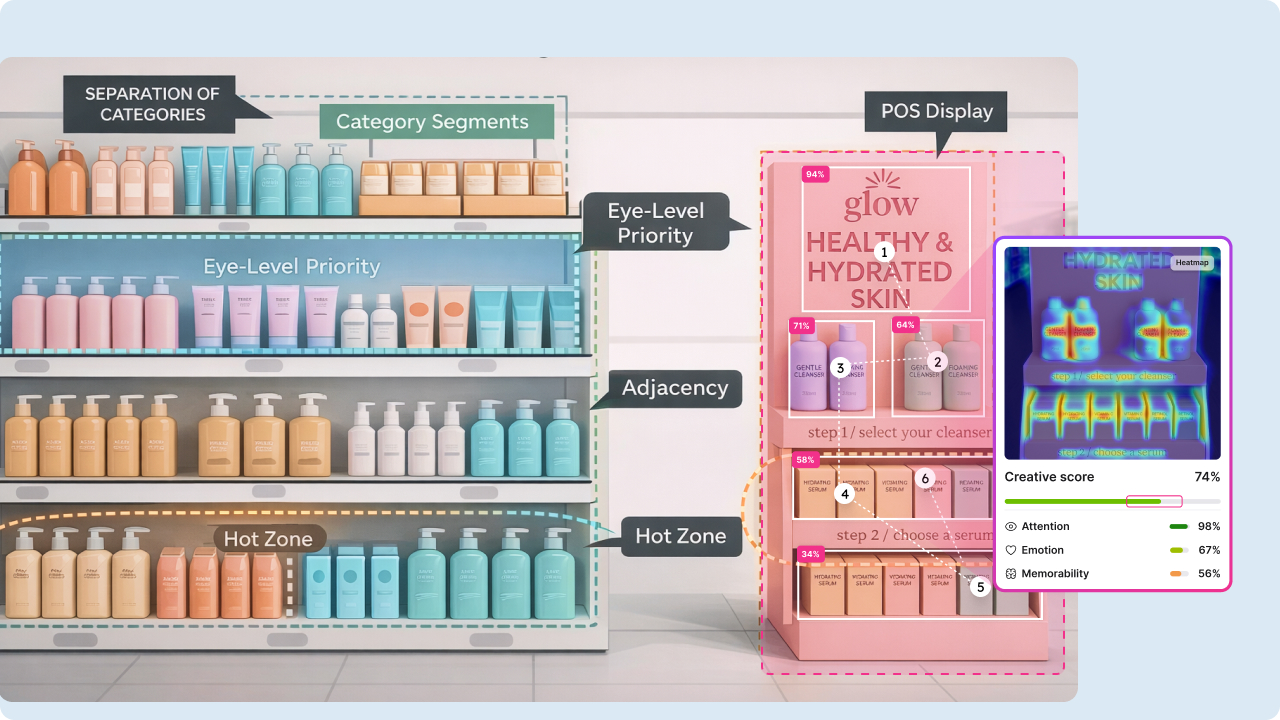
Planograms are the blueprint of the shelf: a structured visual guide for where products should sit to maximise visibility and sales.
They help retailers:
- Optimise shelf space
- Ensure consistency across stores
- Align product placement with shopper psychology (e.g., eye-level priority)
POS displays create high-impact moments that interrupt routine browsing and encourage impulse purchases. When designed effectively, they can deliver outsized sales lift.
Read more:
- The Importance of Planograms in Retail
- The Art of Point-of-Sale Displays: Captivating Shopper Attention in Retail
Retail Analytics & Performance
Retail analytics goes far beyond reporting on yesterday’s sales. It's about uncovering the why behind behaviour.
Effective analytics help retailers:
- Understand movement patterns
- Forecast demand
- Optimise stock levels
- Personalise promotions
- Refine store layouts and digital journeys
AI enhances this by modelling patterns in large datasets and identifying non-obvious opportunities.
Read more:
AI & Automation in Retail
From robotic process automation (RPA) to dynamic pricing and adaptive inventory replenishment, automation is reshaping operations behind the scenes.
RPA handles high-volume repetitive tasks - like order processing and stock updates - freeing teams to focus on value-adding work. Intelligent automation can also predict demand, adjust pricing, and trigger replenishment automatically.
Read more:
- Streamlining CPG and Retail Workflows with Robotic Process Automation
- The Benefits of Automated Retailing for CPG Brands
- The Value of Retail Agility Driven by AI
Retail Media & Digital Transformation
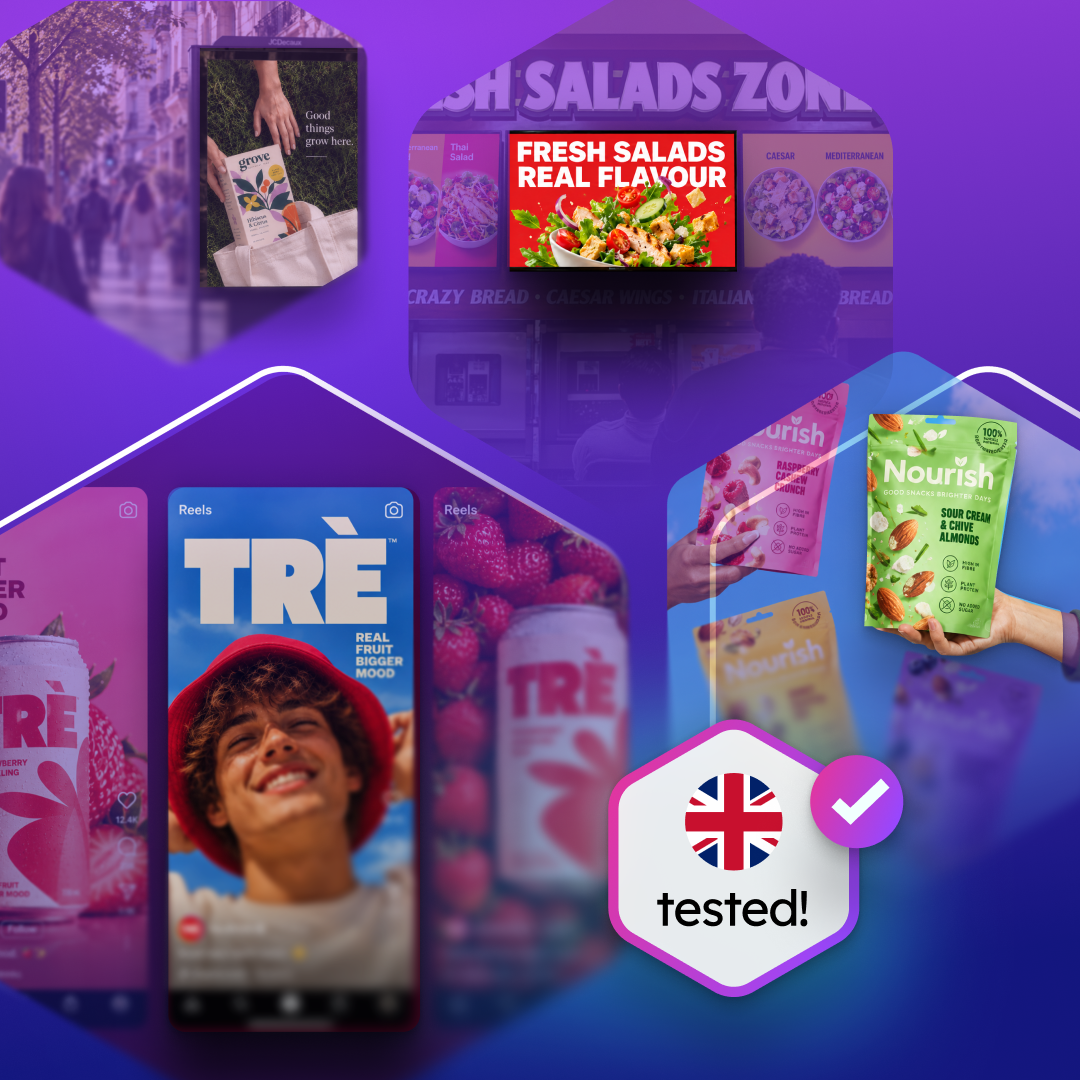
Retail media networks (RMNs) are transforming how brands reach shoppers by leveraging retailer-owned first-party data across websites, apps, and in-store screens.
Digital transformation continues to blur online and offline boundaries through:
- Scan-and-go experiences
- Personalised mobile apps
- Smart digital signage
- Unified inventory and customer data
Read more:
- The Future of Retail Media: Trends and Predictions for CPG Companies
- AI-Driven Digital Transformation in Retail: Dragonfly AI
- Optimizing the Digital Retail Experience
Retail Agility & Omnichannel Experience
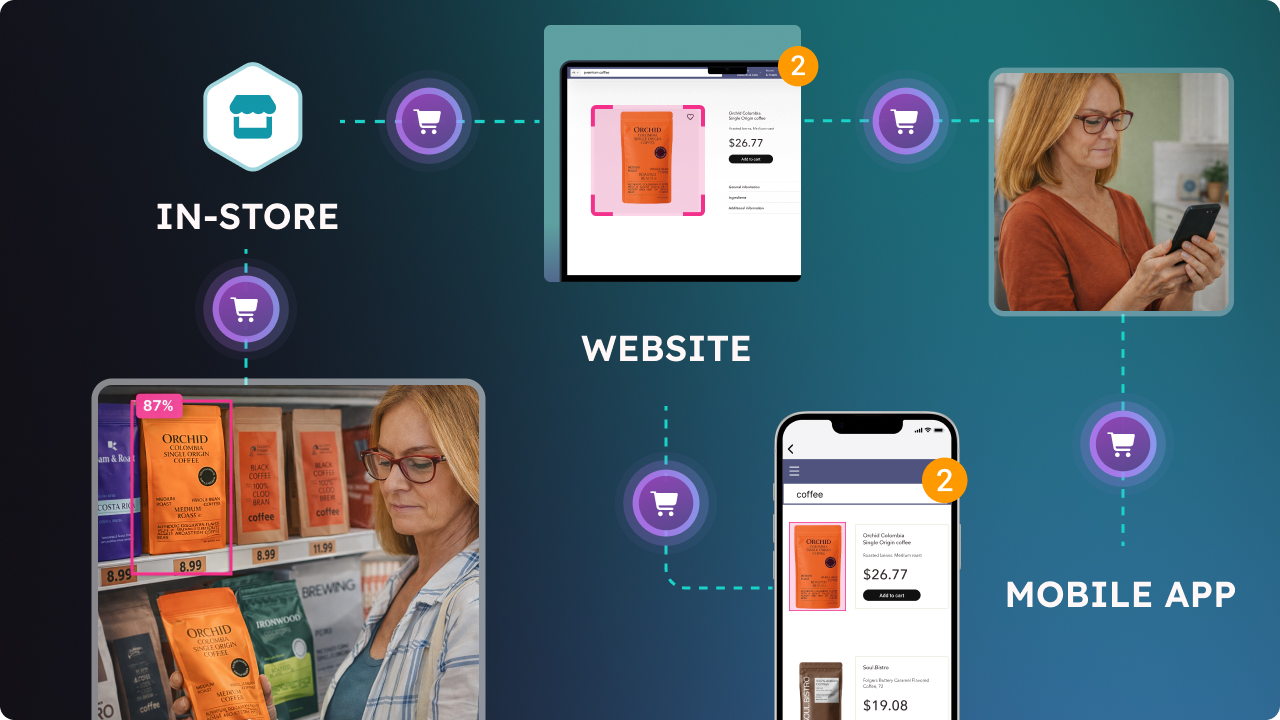
Agile retailers respond quickly to trends, customer signals, and operational shifts. Omnichannel excellence ensures customers can move seamlessly between digital and physical experiences.
Modern omnichannel strategies focus on:
- Accurate real-time inventory
- Consistent messaging across channels
- Unified customer service
- Smooth movement between store, app, and web
Read more:
- Coming soon: Omnichannel Retail Strategies
- The Value of Retail Agility Driven by AI
Retail Marketing Strategy: Bringing It All Together
A winning retail marketing strategy is holistic and customer-first. It blends sensory design, behavioural insight, analytics, omnichannel thinking, and automation into a single adaptable system.
Personalisation, creative effectiveness, and operational agility sit at the centre of modern retail success.
Read more:
- Coming soon: Top Retail Marketing Strategies
Where Retail Marketing Is Headed
The future of retail marketing is:
- More predictive (AI-led forecasting)
- More personalised (context- and intent-based journeys)
- More automated (operational efficiency)
- More connected (unified data and omnichannel)
- More shopper-first (behaviour-led creative)
Retailers who invest in behavioural insight, AI-enabled agility, and consistent omnichannel journeys will lead the next era.
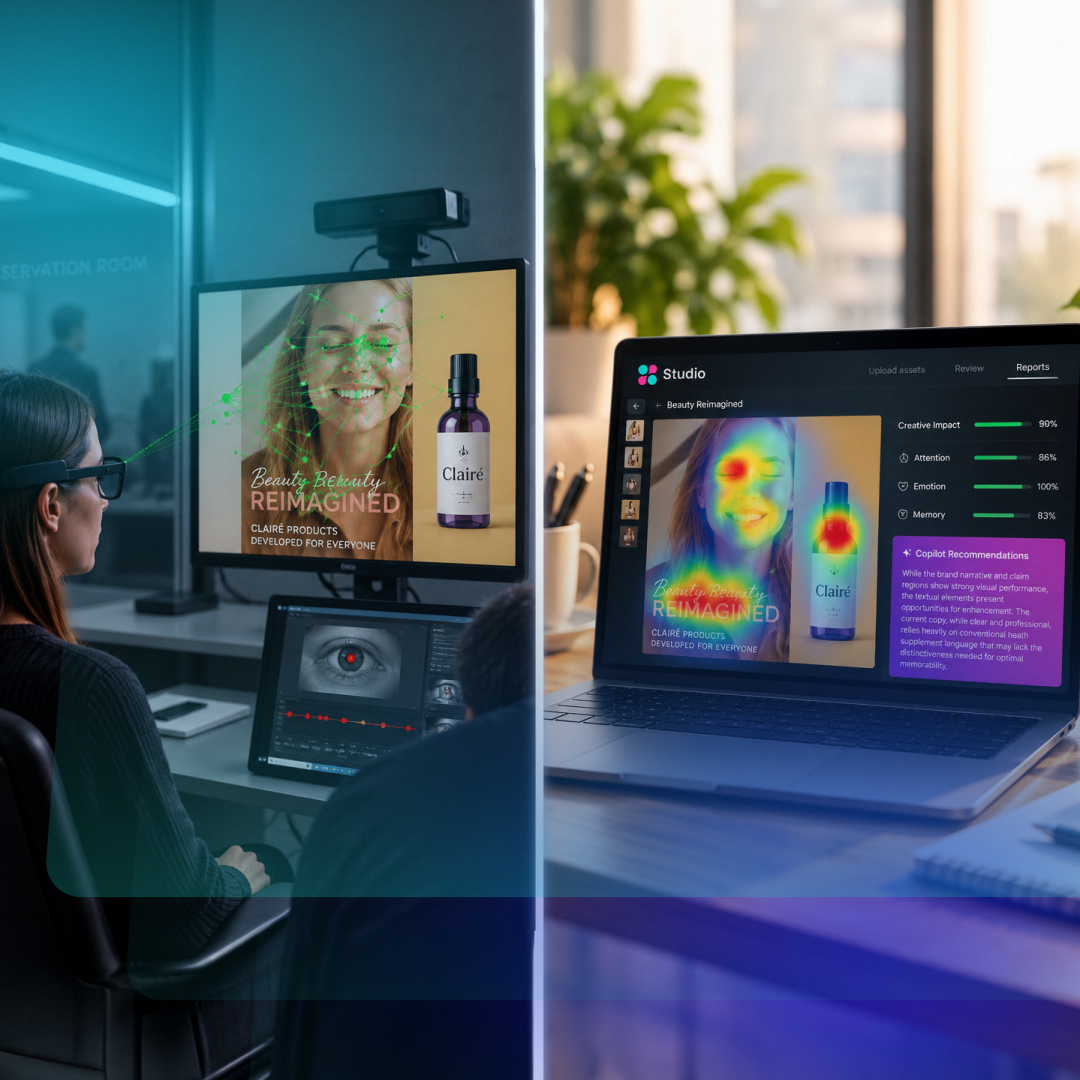
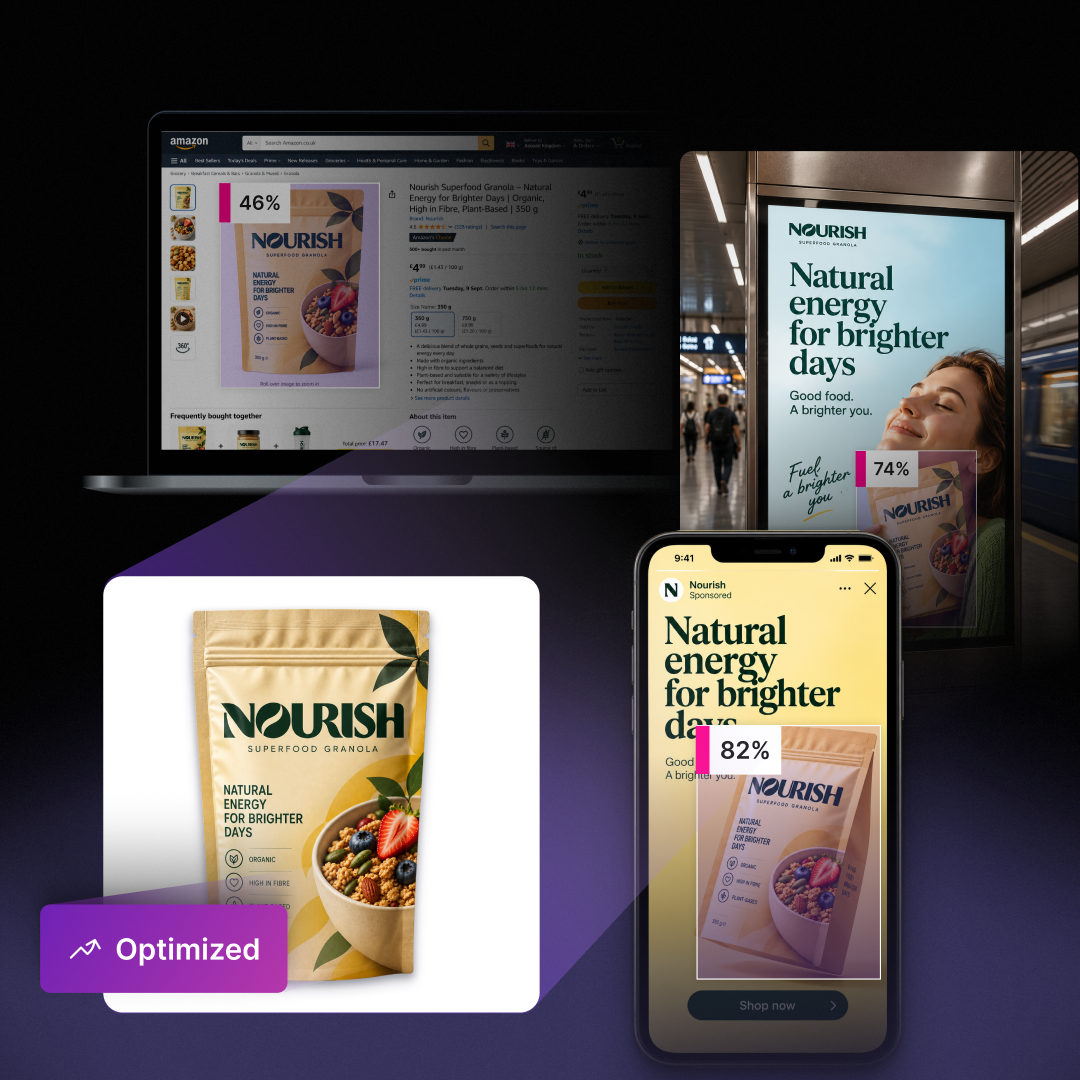
Dragonfly AI supports this shift by helping retailers understand what shoppers will notice first - before content goes live. Our predictive visual analytics surface the moments that matter most, so retail teams can design with confidence, reduce creative waste, and improve performance across both physical and digital environments.
Additional Resources
Free eBook: How to Drive Action in Retail Spaces
Discover how subconscious attention, sensory cues, and behavioural insight shape the decisions shoppers make instinctively.