

Picture a typical year of design for a mid-size CPG business. That’s around 150 images: 60 for e-commerce, 50 for advertising and 40 for shelf. In e-commerce alone, it means 30 hero images (10 products, three versions each), 20 A+ content modules and 10 A/B test variants.
Look closely and that isn’t 150 blank pages. It’s mostly variations. Designers spend much of their year producing options, and then somebody has to choose between them.
That choice is where I think the hours disappear. Today it’s usually made in a room, based on opinion. Each option is debated, adjusted and reviewed again. The skilled part of the job is the design. The slow part is deciding which version is right.
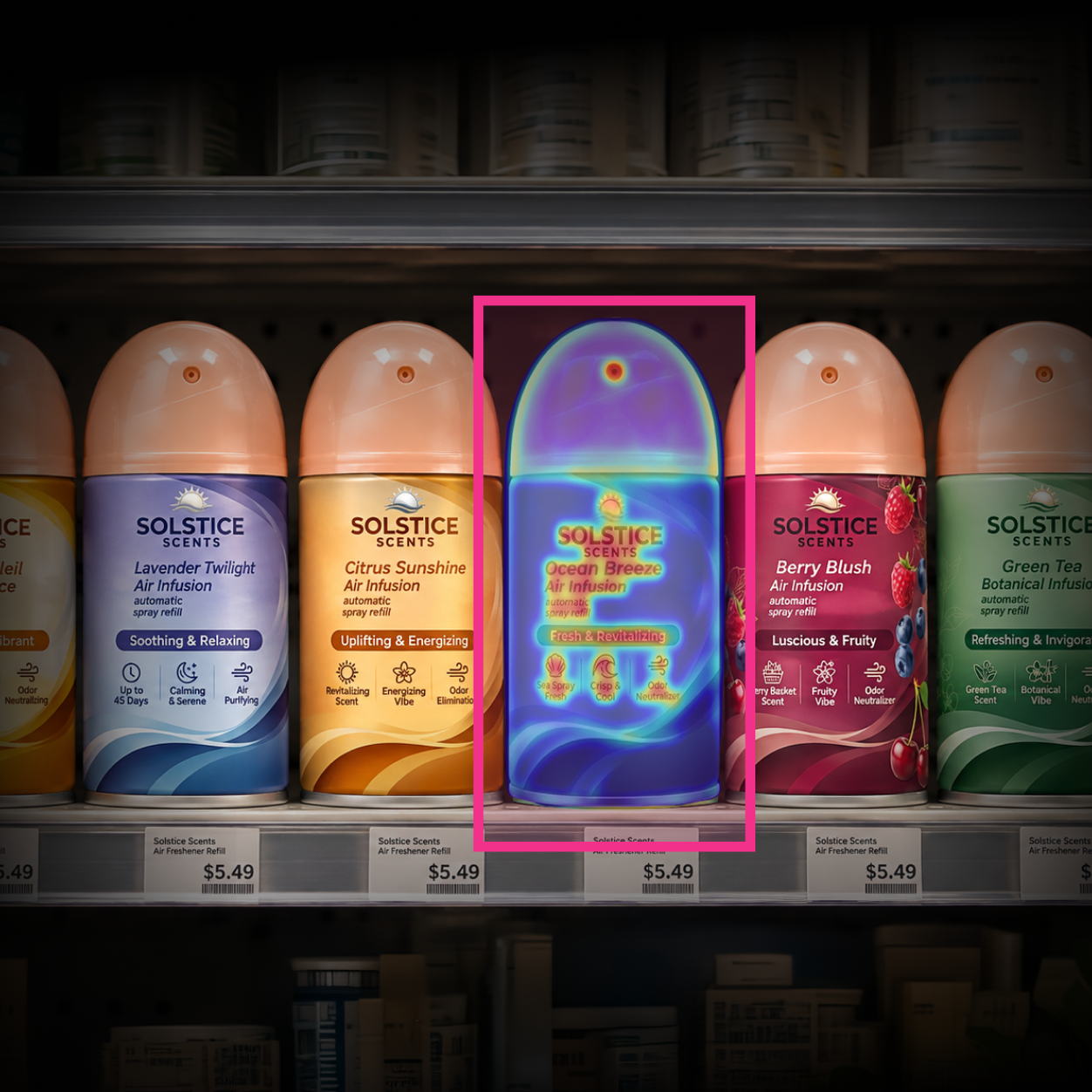
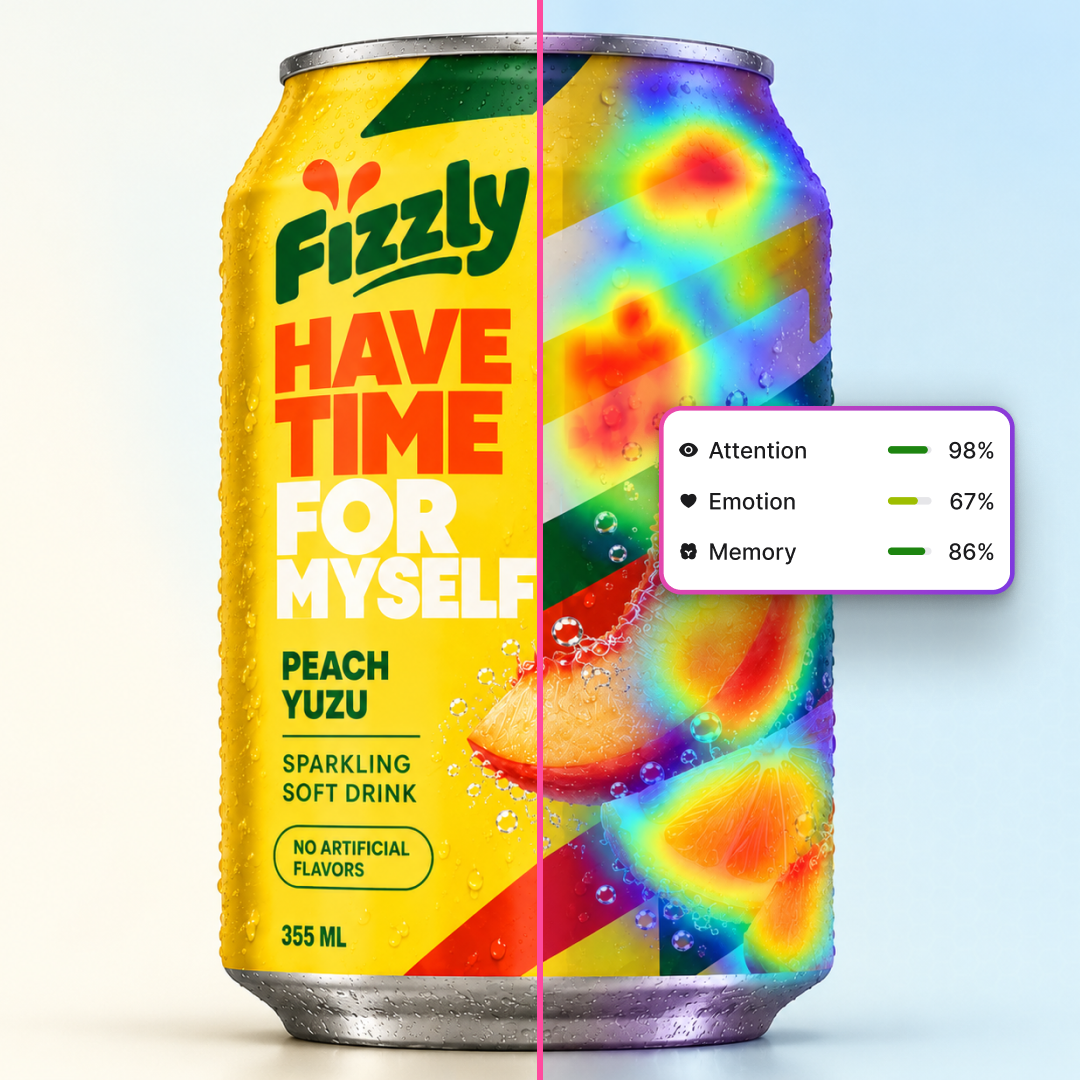
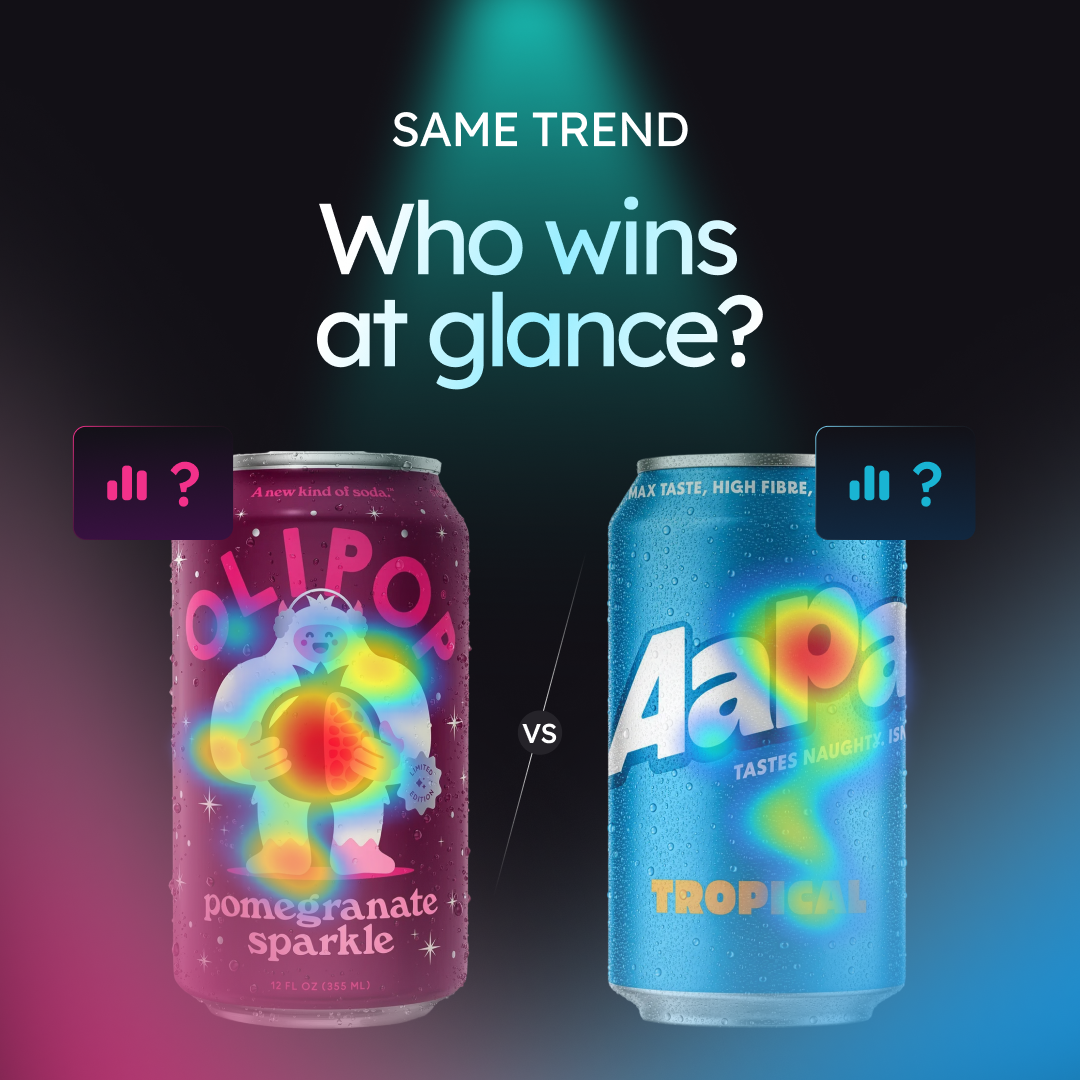
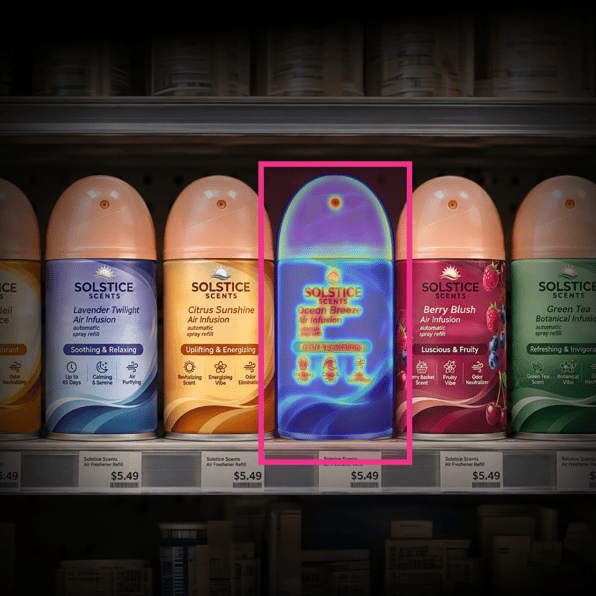
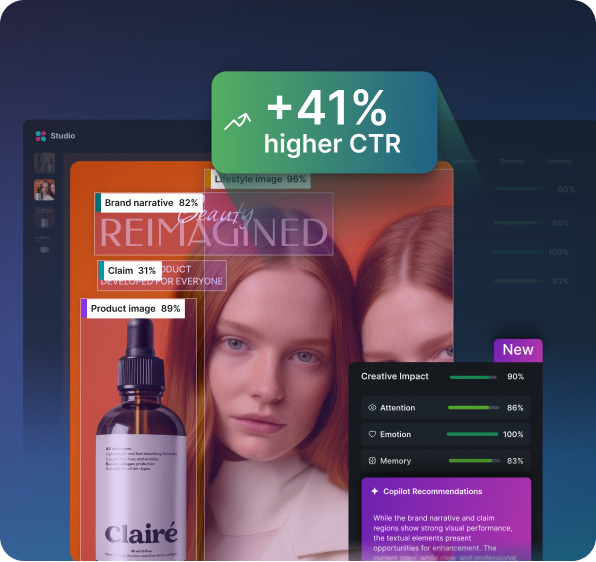
This is where we fit, and it isn’t by taking designers out of the process. Designers keep producing the options, and they bring the craft and brand understanding that only they have. Dragonfly AI decodes attention, memory and emotion on each option, so the choice rests on evidence. Which of three hero images stands out most? How does a point-of-sale design hold up? The room gets an answer sooner, and the designer spends more time refining and less time defending.
Kate Nunan, principal customer success manager at Dragonfly AI, explains how it works in practice: “Most teams already have talented designers, whether in-house or through an agency, and the question isn’t whether to keep them. It’s where their time goes. A lot of it goes on producing variations and then waiting to agree which one is right.
“We help teams get to that answer sooner, with evidence rather than opinion, so designers spend more of their time creating. The best place to start is wherever the volume is highest, like a set of hero images or a range of pack variants, because that’s where a small saving is multiplied the most.”
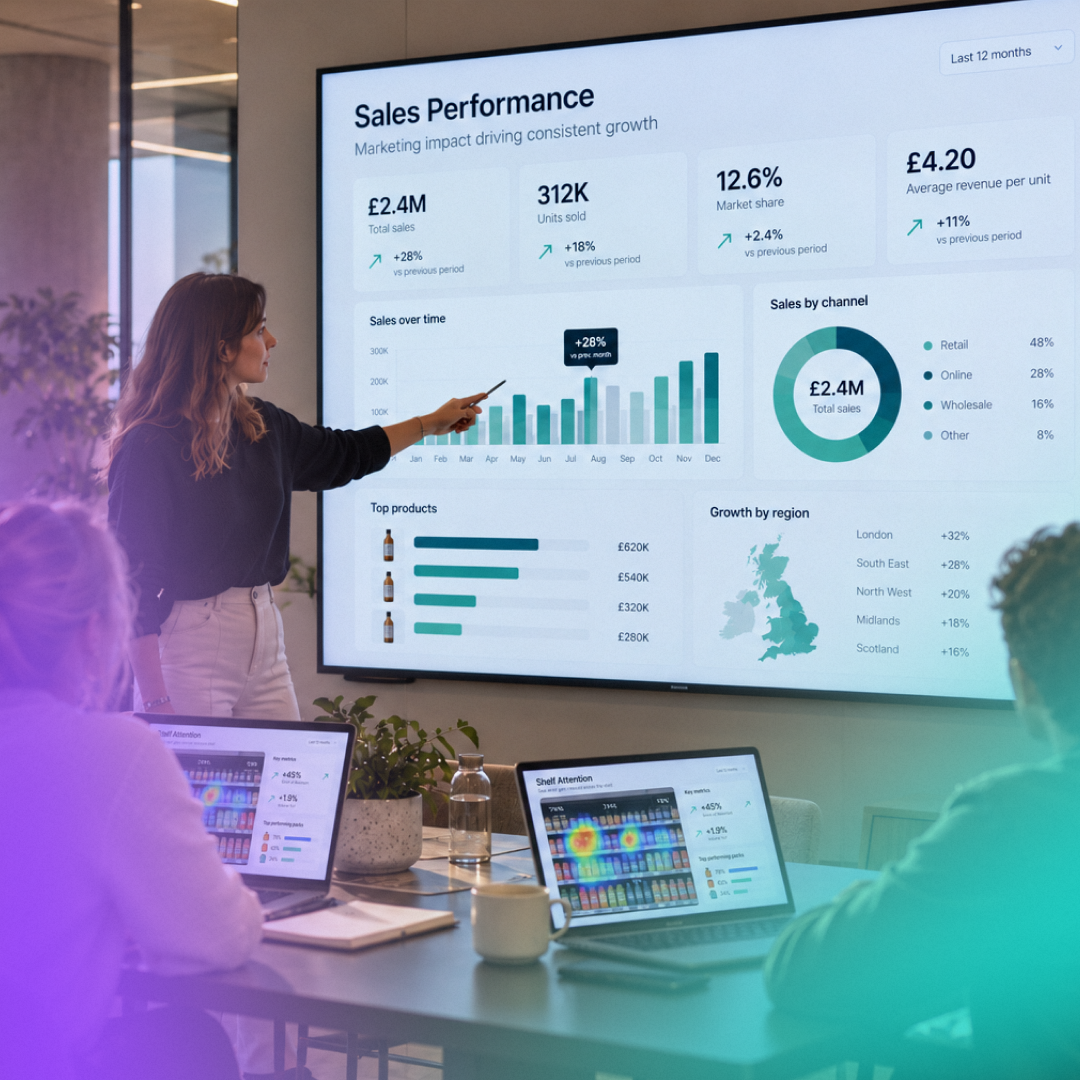
The effect grows with volume. In that same typical year, screening before panel research avoids between £45,000 and £201,000 of panel cost on e-commerce, between £37,500 and £167,500 on advertising, and between £30,000 and £134,000 on shelf.
Larger businesses see more. A global CPG business with 350 images avoids between £262,500 and £1.17m a year. A multi-market portfolio with 1,000 images avoids between £750,000 and £3.35m. The more variants a business produces, the more it matters how quickly it can choose between them.
These figures are illustrative, before any licence fee, and deliberately conservative. They leave out full-service studies, so real savings may be higher. But the benefit isn’t only financial. When choices are made faster and with evidence, designers get more time to create and projects reach sign-off sooner. The people who made the work can also explain why it works.
The craft stays human. The choosing gets faster.