.svg)
.png?width=596&height=562&name=2x%20(1).png)
What is emotion detection in advertising?
Emotion detection in advertising measures how people are likely to feel when they view an advert or piece of creative. It helps brands understand emotional responses that influence attention, memory and decision making before a campaign goes live.
Emotion detection in advertising is the process of analysing how creative content is likely to make people feel. Emotions play a significant role in how consumers process information, remember brands and make purchasing decisions, making emotional response an important measure of advertising effectiveness.
Traditional approaches to emotion detection have included consumer surveys, facial coding, biometric testing and neuroscience research. While these methods can provide valuable insights, they often require specialist equipment, controlled environments or extensive participant recruitment.
Advances in artificial intelligence have introduced new ways to assess emotional response at scale. AI models can analyse creative elements such as imagery, colour, facial expressions and composition to predict how an advert may be perceived and whether it is likely to evoke emotions such as trust, excitement or curiosity.
Understanding emotional response is important because people rarely make decisions based on logic alone. Advertising that creates an emotional connection is more likely to be remembered, shared and acted upon than creative that communicates information without generating feeling.
How Dragonfly AI uses emotion detection
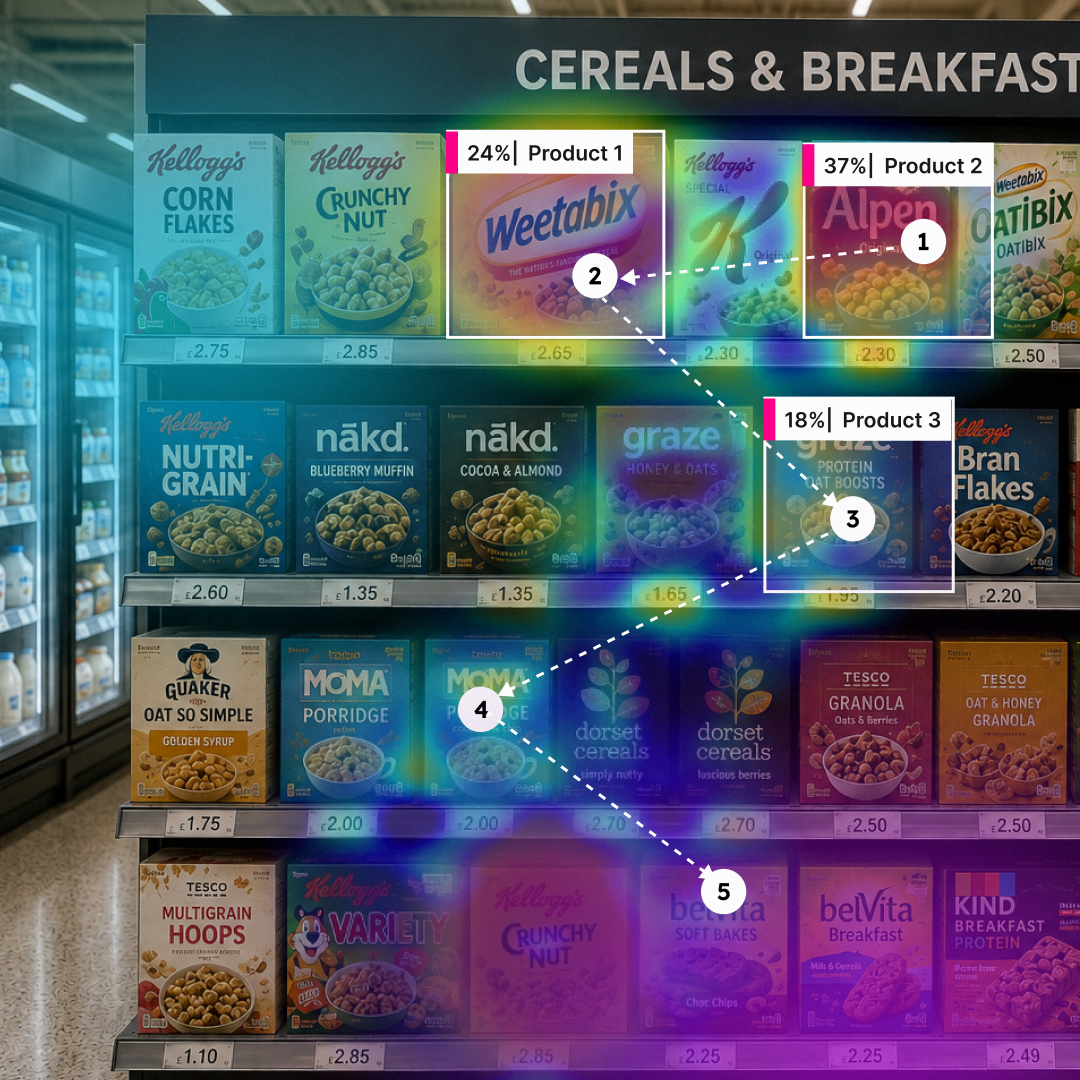
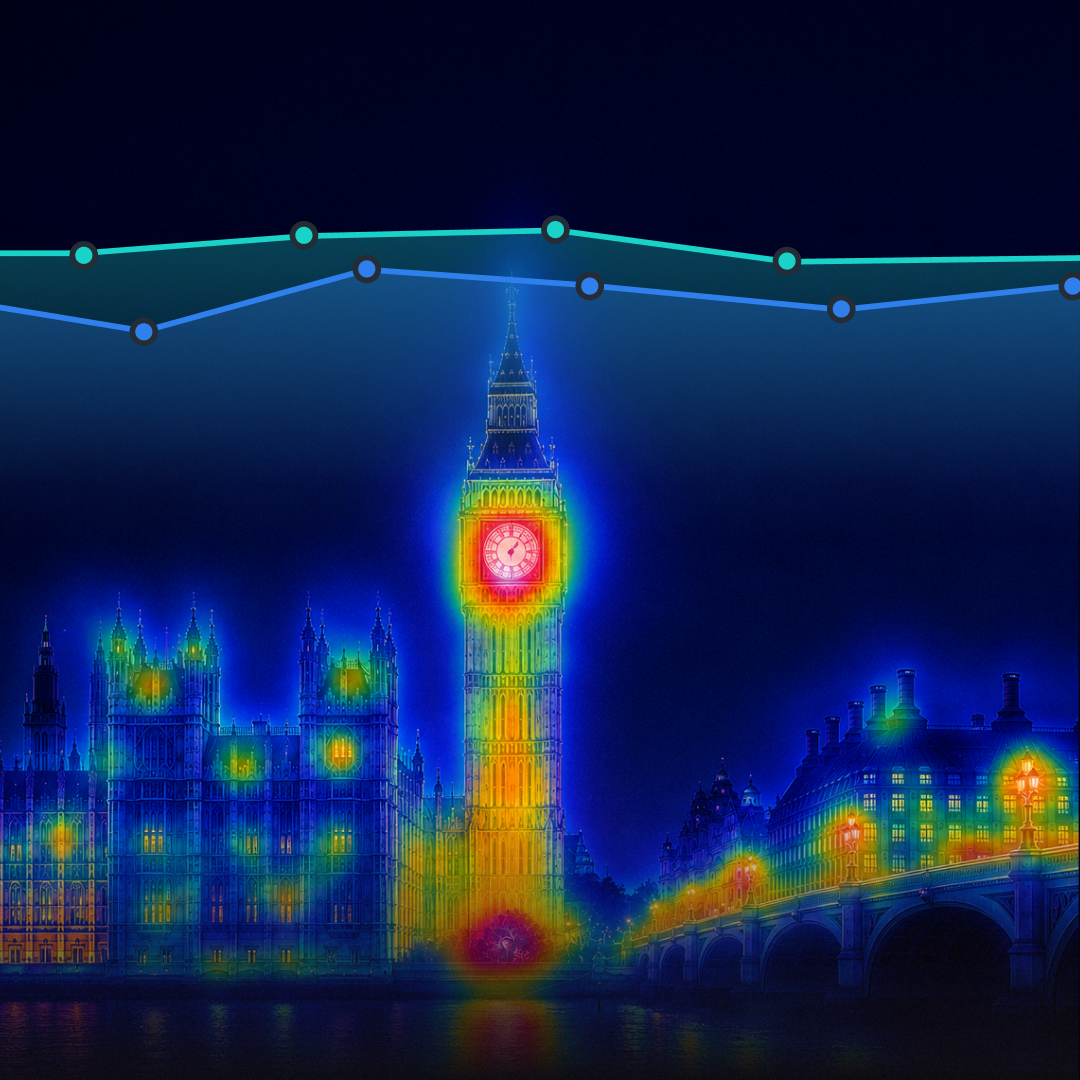
Dragonfly AI combines emotion prediction with attention analysis to provide a more complete understanding of creative effectiveness. While attention determines what people notice first, emotional response helps explain how that creative is likely to be experienced and remembered.
The platform enables marketers to evaluate whether an advert is likely to communicate the intended emotional message before it is launched. These insights help creative teams refine imagery, messaging and visual design to better align with campaign objectives.
For example, a financial services brand may want to create a sense of trust and reassurance, while a sportswear campaign may aim to evoke excitement and motivation. By understanding likely emotional responses early in the creative process, brands can optimise campaigns before investing in media.
Emotion detection in the UK market
Interest in emotion detection has grown across the UK advertising industry as brands seek deeper insights into consumer behaviour. Emotional measurement is increasingly being combined with attention metrics to provide a more complete picture of advertising effectiveness.
In the UK, advertisers must also ensure that emotional messaging complies with the Advertising Standards Authority's rules on responsible advertising. Campaigns should avoid causing unnecessary distress or misleading consumers through emotional claims, making it important to understand both effectiveness and compliance.
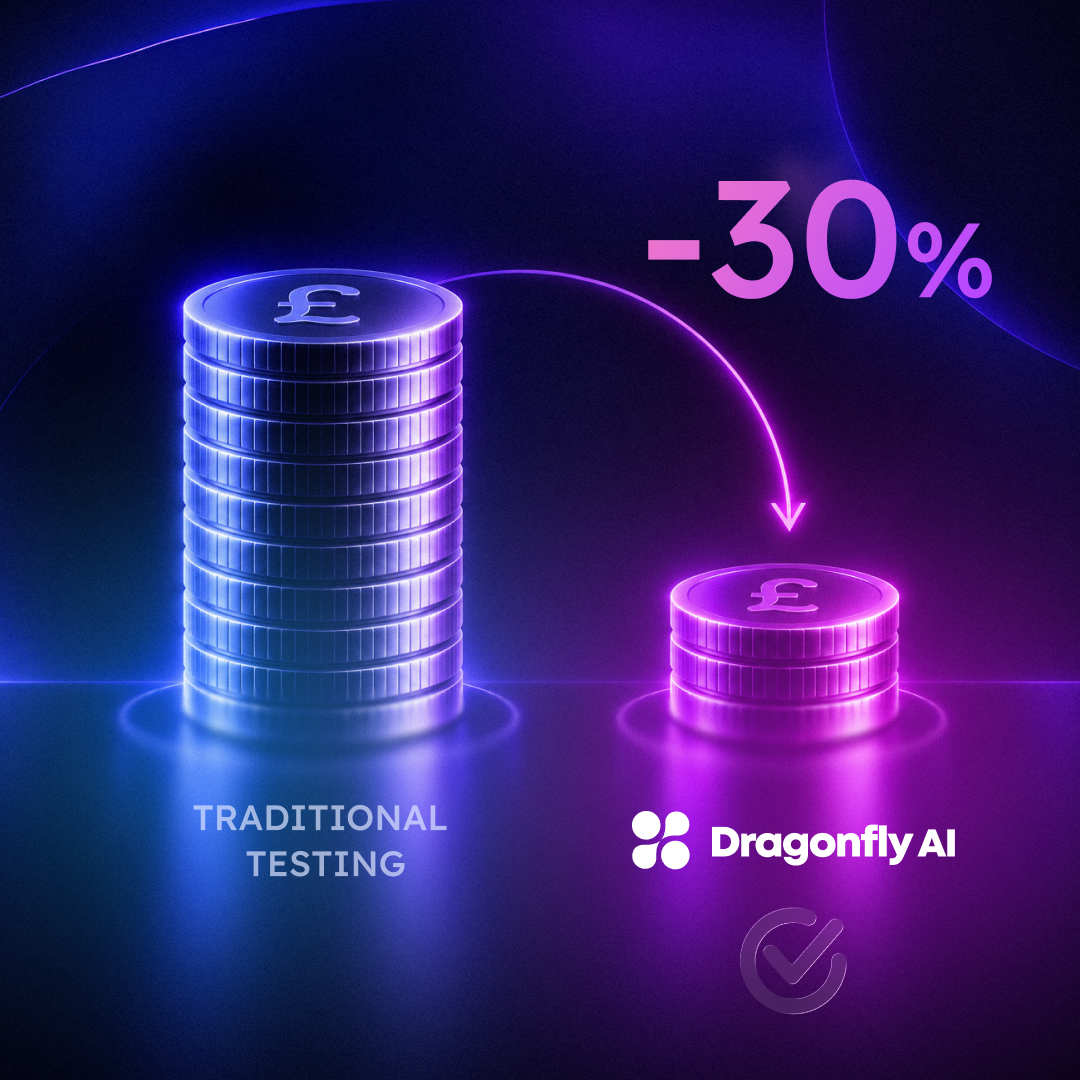
As artificial intelligence becomes more widely adopted, UK brands are increasingly using predictive technologies to complement traditional consumer research. This allows marketers to evaluate emotional impact earlier in the creative process while reducing the time and cost associated with large scale testing.